


Pest Control Services in Chillicothe, MO
Chillicothe sits along the Grand River in north-central Missouri, where humid summers and cold winters create active pest pressures throughout the year. Homeowners and businesses across Livingston County deal with everything from seasonal ant invasions to persistent rodent problems in older downtown buildings and newer residential developments alike.
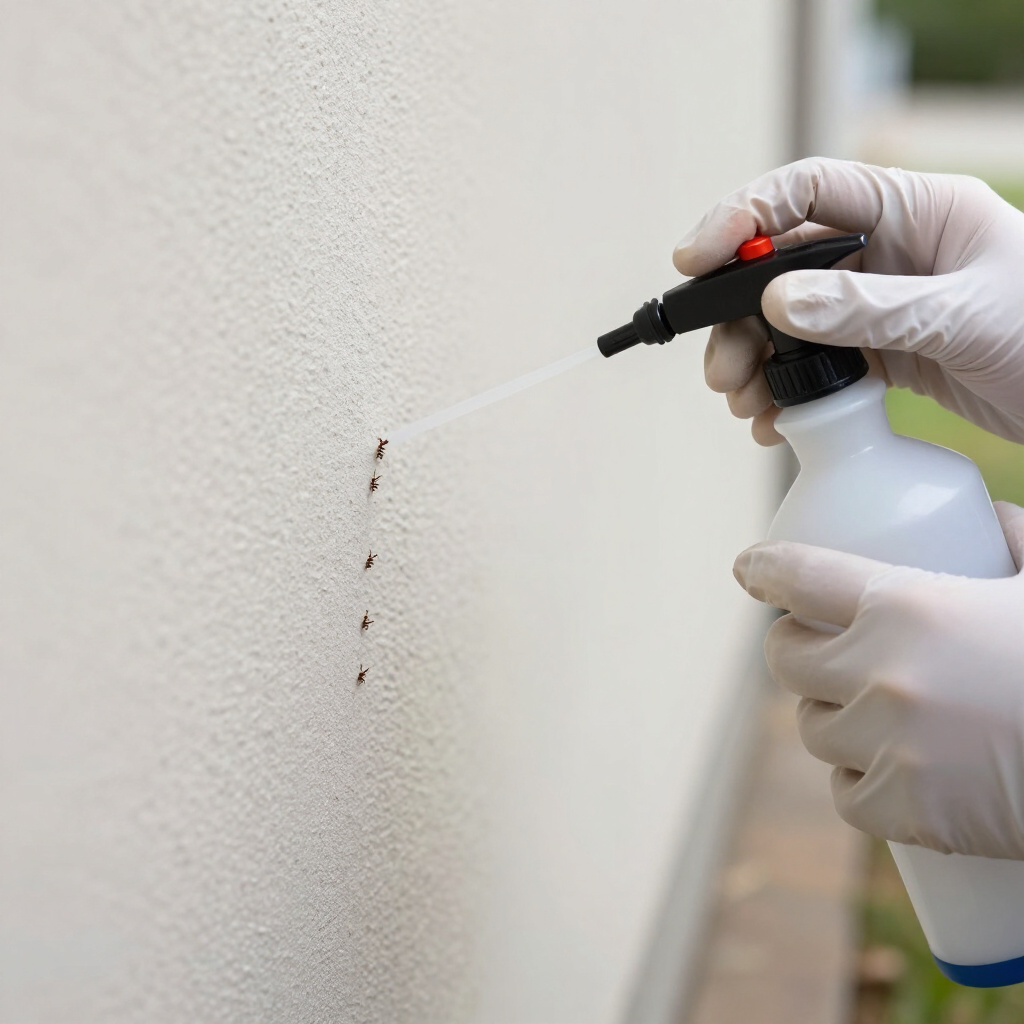
Residential pest control in Chillicothe typically focuses on the most common invaders: Odorous house ants and Argentine ants trail into kitchens during spring rains, while spiders—including brown recluse and wolf spiders—seek shelter in basements and outbuildings. Mice and rats exploit gaps in foundations, particularly in historic homes near the courthouse square and farm properties on the city's edges. Professional services include interior and exterior perimeter treatments, targeted baiting programs, and ongoing monitoring to prevent reinfestation.
Termite control deserves special attention in this region. Eastern subterranean termites thrive in Missouri's clay-loam soils, and Chillicothe's mature tree canopy provides ample cellulose sources near structures. Licensed inspectors evaluate mud tubes, damaged wood, and moisture conditions before recommending liquid barrier treatments or baiting systems. Annual inspections protect the significant investment represented by Livingston County homes.
Commercial pest management serves Chillicothe's agricultural supply businesses, restaurants along Washington Street, healthcare facilities, and manufacturing operations. Food service establishments require rigorous documentation for health inspections, while grain elevators and feed stores need specialized programs addressing stored product pests like Indian meal moths and weevils. Integrated Pest Management (IPM) approaches minimize chemical applications while maintaining compliance with state regulations.
Seasonal mosquito and tick control has grown in demand, particularly for properties near the Grand River corridor, Simpson Park, and rural acreage where American dog ticks and lone star ticks pose legitimate health concerns. Larviciding, habitat modification, and barrier sprays reduce populations during peak activity months from May through September.
Wildlife removal addresses raccoons in attics, squirrels nesting in soffits, and occasional skunk or opossum conflicts. Humane trapping and exclusion sealing prevent property damage while complying with Missouri Department of Conservation guidelines. Bat colonies in older structures require careful handling during maternity season restrictions.
Common Pest Questions for Chillicothe Residents
What pests are most active during Chillicothe winters?
Mice and rats head indoors as temperatures drop, often entering through foundation cracks, utility penetrations, and gaps around doors. Spiders also become more noticeable indoors. Overwintering insects like boxelder bugs, Asian lady beetles, and brown marmorated stink bugs cluster in wall voids and may emerge during warm spells, particularly in south-facing rooms.
How quickly can pest control respond to an active infestation?
Most local providers offer same-day or next-day service for urgent situations such as severe ant trails, visible termite swarms, or rodent activity in living areas. Emergency bed bug or wasp nest removal typically receives priority scheduling. Routine inspections and preventive treatments can usually be booked within one week.
Are pest treatments safe for homes with children and pets?
Modern pest control products applied by licensed professionals carry EPA registration and are used at concentrations well below harmful levels. Technicians direct treatments to cracks, crevices, and exterior perimeters rather than broad indoor spraying. Residents typically receive specific re-entry timing—usually 2-4 hours for liquid applications—and instructions for protecting aquariums and pet food areas during service.