
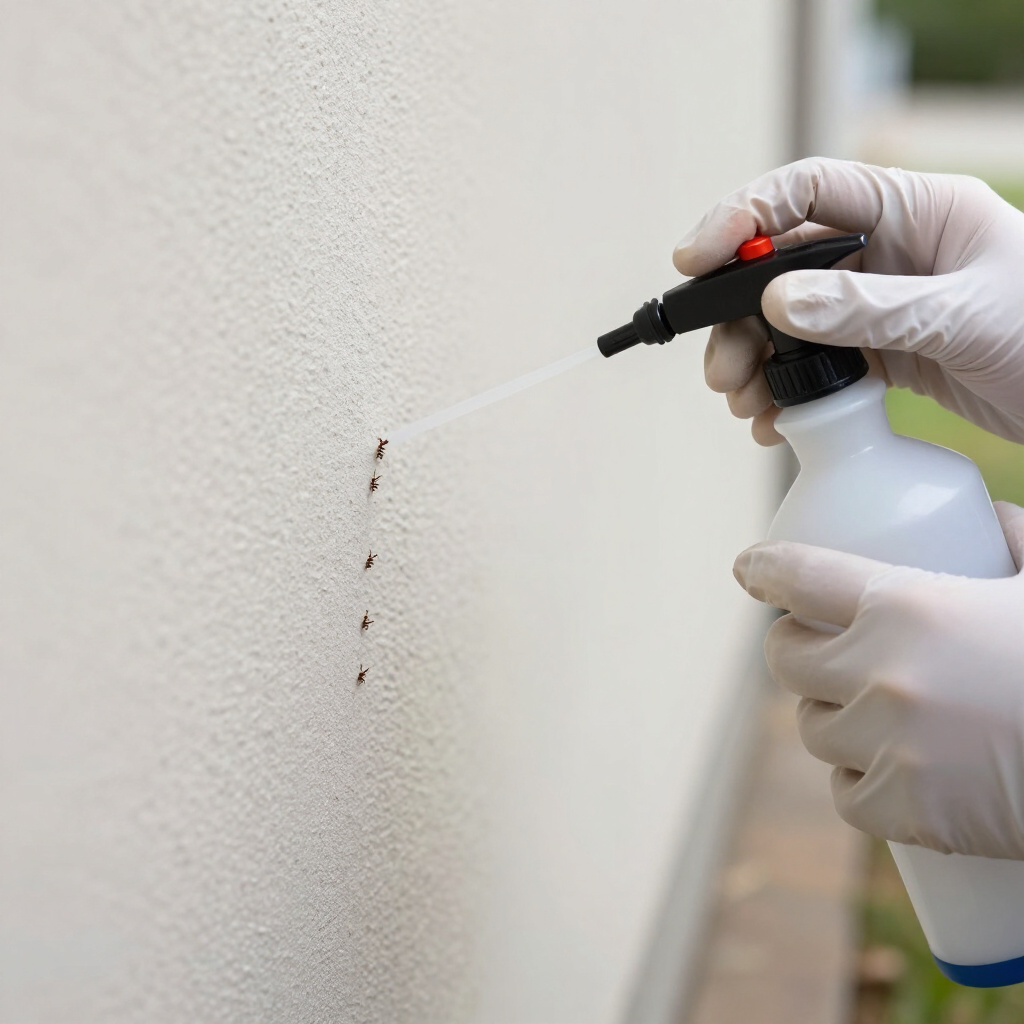


Pest Control Services in Excelsior Springs, Missouri
Excelsior Springs sits along the Fishing River in Clay County, where historic mineral springs and rolling Missouri countryside create an inviting environment—for both residents and pests. The combination of mature neighborhoods, wooded lots, and proximity to water sources means homeowners and businesses face persistent challenges from ants, spiders, rodents, and seasonal invaders throughout the year.
Local pest pressures shift dramatically with Missouri's four distinct seasons. Spring brings termite swarmers and carpenter ants emerging from winter dormancy. Summer months drive mosquitoes from riverbed breeding sites and send field mice toward cooler shelter as temperatures climb. Fall triggers stink bugs, boxelder bugs, and rodents seeking entry before winter arrives. Understanding these regional patterns is essential for effective, long-term pest management in Clay County properties.
Whether you operate a business along Route 10, maintain a home near the historic district, or manage rental properties throughout Excelsior Springs, professional pest control provides protection tailored to this specific environment. Treatment plans account for the area's older construction, agricultural surroundings, and the unique moisture conditions that attract wood-destroying organisms.
Frequently Asked Questions About Pest Control in Excelsior Springs
What pests are most common in Excelsior Springs homes?
Ants—particularly odorous house ants and carpenter ants—rank among the most frequent complaints, followed by spiders, mice, and occasional invaders like millipedes and crickets. Termite activity is significant due to Missouri's native subterranean species. Seasonally, residents encounter stink bugs, boxelder bugs, and wasps. Properties near the Fishing River or with mature tree canopy typically experience higher mosquito and tick pressure.
How often should Excelsior Springs properties receive pest control service?
Most residential properties in Clay County benefit from quarterly exterior treatments, with interior service as needed. Homes with previous infestations, wood-to-soil contact, or proximity to open fields may require bi-monthly visits during peak activity periods. Commercial accounts vary by industry—food service typically needs monthly service, while offices may maintain quarterly schedules with enhanced monitoring.
Are pest control treatments safe for families with children and pets?
Modern application techniques prioritize targeted placement over broad exposure. Products used around Excelsior Springs properties are selected for low mammalian toxicity and applied according to label specifications that account for household members. Technicians are trained to identify pet access points, children's play areas, and vegetable gardens to adjust treatment accordingly. Residents receive specific re-entry instructions based on products used.
What should I do before my first pest control service?
Prepare by noting where you've observed pest activity, including times of day and any patterns. Clear clutter from baseboards and under sinks to allow access. Store pet food and children's toys. For rodent concerns, avoid disturbing droppings until inspection—their location reveals travel patterns. If treating for bed bugs, laundry and decluttering protocols apply. Your technician will provide a customized preparation checklist based on your specific service.
Why do I still see pests after treatment?
Post-treatment activity often indicates success rather than failure. Insects crossing treated barriers receive lethal exposure but may remain visible for 24–72 hours. Baiting programs intentionally allow pests to carry material back to colonies—killing the source takes days, not hours. For ants specifically, trailing behavior may temporarily increase as foragers respond to bait placement. Persistent activity beyond the expected timeframe warrants a follow-up inspection at no additional charge.
Pest Control Considerations for Clay County's Terrain
Excelsior Springs' position within the Glaciated Plains creates specific conditions that influence pest behavior. The area's clay-heavy soils retain moisture, supporting robust termite colonies and creating favorable conditions for subterranean nesting ants. Properties with limestone foundations—common in pre-1950 construction—develop characteristic cracks that provide entry points over decades of freeze-thaw cycling.
The transition zones between developed areas and remaining agricultural or wooded parcels generate "edge effects" where wildlife and insect pressure intensify. Homes on these boundaries typically require more vigilant exclusion maintenance and may benefit from expanded perimeter treatment zones.