
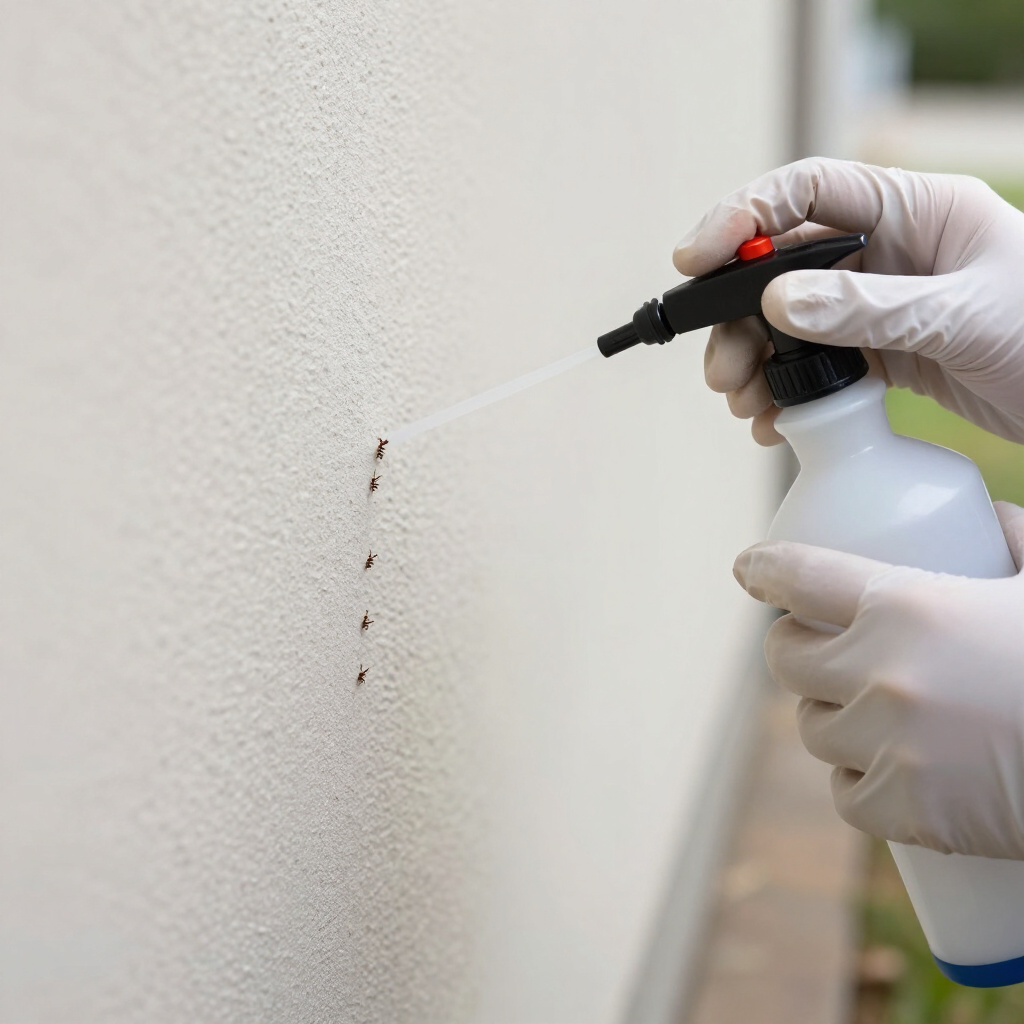


Pest Control Services in Marshall, MO
Marshall residents face unique pest challenges throughout the year thanks to Missouri's seasonal shifts and Saline County's mix of agricultural land, historic neighborhoods, and newer developments. Whether you're near the Missouri Valley College campus, downtown around the historic Saline County Courthouse, or in one of the growing residential areas along Highway 65, local pest pressures require targeted solutions.
Our technicians understand the specific conditions that attract pests to Marshall homes and businesses. The nearby Blackwater River and surrounding farmland create ideal breeding grounds for mosquitoes and rodents, while older structures in the historic district often deal with carpenter ants and termites. Newer construction isn't immune either—subdivisions expanding toward the county's rural edges frequently encounter field mice, spiders, and occasional wildlife intrusions.
We provide comprehensive pest management tailored to Marshall's environment: residential treatments protecting families from common invaders, commercial programs for restaurants and retail along Odell Avenue, and specialized agricultural pest control for the farming operations that remain vital to Saline County's economy. Every service begins with a thorough inspection identifying entry points, nesting sites, and conditions conducive to pest activity.
Seasonal protocols adjust throughout the year. Spring brings ant swarms and termite activity as temperatures rise. Summer peaks with mosquito populations and stinging insects around outdoor spaces. Fall triggers rodent migration indoors seeking warmth. Winter requires ongoing monitoring as spiders and occasional wildlife seek shelter. Our year-round protection plans maintain consistent barriers regardless of season.
Common Pest Control Questions for Marshall Homeowners
What pests are most common in Marshall, Missouri?
Marshall homeowners most frequently deal with ants, particularly odorous house ants and carpenter ants, along with brown recluse spiders, mice, and termites. The agricultural surroundings mean field mice become especially problematic in fall when crops are harvested. Mosquitoes thrive near the Blackwater River watershed during warm months. Occasional wildlife issues include raccoons, skunks, and groundhogs, particularly for properties bordering farmland or undeveloped areas.
How often should Marshall homes receive pest control treatments?
Most Marshall properties benefit from quarterly maintenance treatments to maintain consistent protection against seasonal pest pressures. Homes with history of termite activity, those in older neighborhoods near downtown, or properties adjacent to agricultural land may require bi-monthly service during peak seasons. We assess each situation individually—factors like proximity to water, wooded areas, and previous infestation severity determine optimal treatment frequency.
Are pest control treatments safe for families with children and pets?
Yes, modern pest control applications prioritize family safety. We use targeted treatments applying products precisely where pests travel and nest rather than broadcast spraying. Many formulations available today are derived from natural compounds and break down quickly after application. Our technicians will provide specific guidance on re-entry timing and any temporary precautions based on the treatment type selected for your Marshall home.
What's the difference between termites and carpenter ants in Marshall homes?
Both damage wood but require different treatment approaches. Termites actually consume cellulose in wood, leaving mud tubes and hollowed galleries. Carpenter ants excavate wood to create nests but don't eat it—you'll see sawdust-like frass and smooth, clean galleries. Marshall's climate supports both, with termite swarming typically in spring and carpenter ant activity peaking in late spring through summer. Professional identification ensures correct treatment, as termite control requires specialized soil treatments or baiting systems while carpenter ant management focuses on nest location and elimination.