
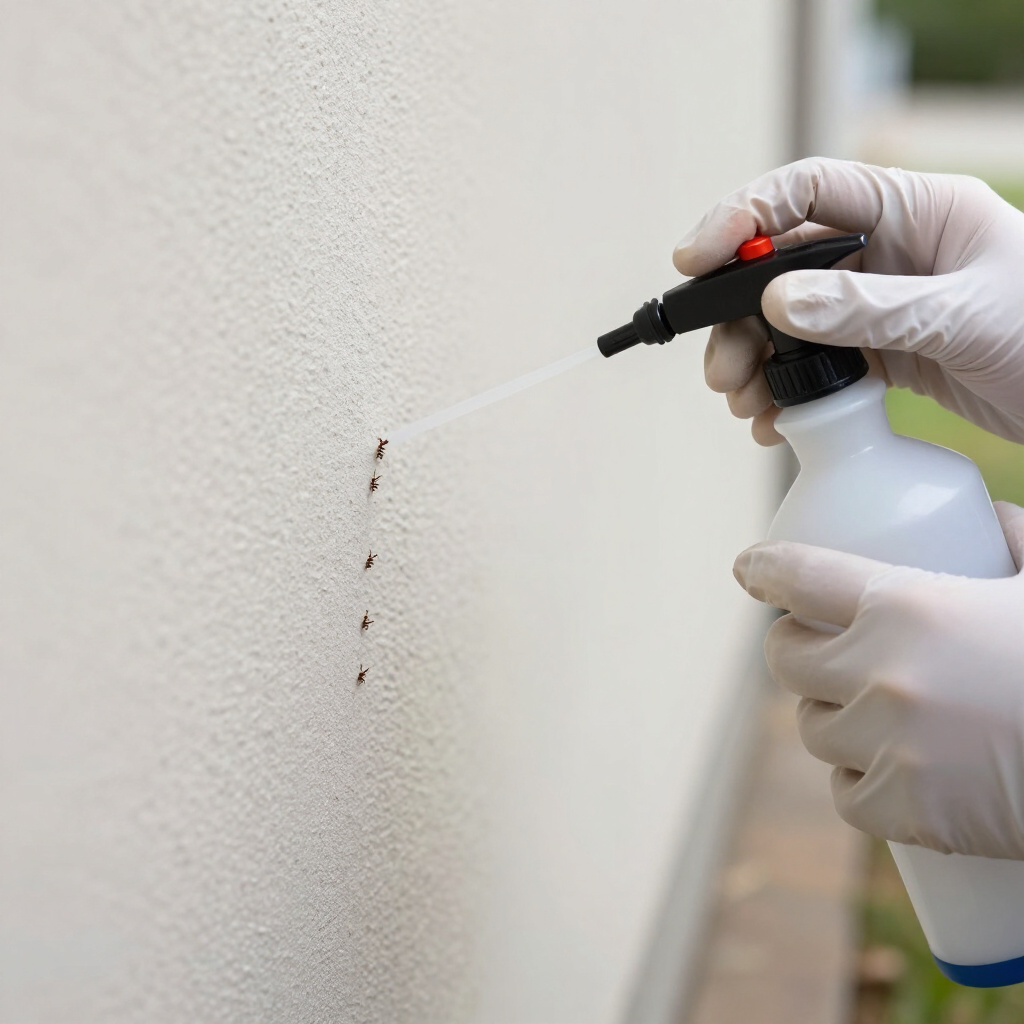


Pest Control Services in Raytown, MO
Raytown sits in eastern Jackson County, just southeast of Kansas City, where mature neighborhoods, wooded lots, and proximity to the Blue River create ideal conditions for a variety of pests. Homes here—many built from the 1950s through the 1980s—often deal with aging foundations, original crawl spaces, and mature landscaping that invites insects and rodents closer to living spaces.
Seasonal moisture from spring rains and humid summers drives ants, spiders, and cockroaches indoors. Fall and winter temperature drops push mice and rats into attics, basements, and wall voids. Meanwhile, the tree canopy throughout Raytown provides highways for squirrels and nesting sites for wasps and hornets.
Residential Pest Solutions for Raytown Homes
Whether you live near Raytown South Middle School, along Blue Ridge Boulevard, or in one of the quieter subdivisions near Lake Tapawingo, pest pressures vary by microclimate. Shady, heavily treed properties tend toward spider and mosquito issues, while homes near open fields or commercial corridors often see higher rodent and cockroach activity.
Effective residential pest control in Raytown typically includes:
- Perimeter barrier treatments targeting entry points around foundations, windows, and utility penetrations
- Crawl space and basement inspections for moisture-related pests like silverfish, centipedes, and springtails
- Rodent exclusion sealing gaps as small as ¼ inch around soffits, vents, and garage door frames
- Seasonal mosquito and tick reduction for properties with dense vegetation
- Wasp and hornet nest removal from eaves, sheds, and play structures
Commercial Pest Management
Raytown's business corridors along 350 Highway, Raytown Road, and 63rd Street include restaurants, healthcare clinics, retail centers, and warehouses. Each faces distinct pest challenges. Food service establishments must stay ahead of health department inspections with rigorous cockroach and rodent prevention. Medical and dental offices require protocols that minimize pesticide exposure risks. Warehouses and distribution centers near industrial zones battle stored product pests and occasional invaders like ground beetles and crickets.
Integrated Pest Management (IPM) approaches work well here—combining monitoring, sanitation recommendations, physical exclusion, and targeted treatments rather than blanket pesticide applications.
Termite Protection in Jackson County
Eastern subterranean termites are active throughout Jackson County, and Raytown's older housing stock is particularly vulnerable. Original construction often used untreated lumber, and decades of soil disturbance have established termite foraging territories near many homes. Annual inspections and soil treatment barriers or baiting systems provide essential protection, especially for homes with unfinished basements or extensive wood-to-soil contact.
Frequently Asked Questions About Pest Control in Raytown
What pests are most common in Raytown homes?
Ants (odorous house ants and carpenter ants), spiders, mice, and cockroaches top the list seasonally. Mosquitoes and ticks bother properties with heavy shade, while termites threaten older homes throughout the area.
How often should Raytown residents schedule pest control?
Quarterly service works well for most homes, breaking pest reproduction cycles before populations establish. Homes with previous infestations, active moisture issues, or heavy tree cover may benefit from bi-monthly visits during peak seasons.
Are pest control treatments safe for pets and children?
Modern applications target pest biology and behavior while minimizing risk to mammals. Reputable providers use products approved for residential settings, apply them precisely to harborage areas rather than broad surfaces, and provide re-entry timing guidance. Always discuss household sensitivities during your consultation.
Why do I keep seeing mice even after setting traps?
Traps catch individual rodents but don't address how they're entering. Mice squeeze through openings the width of a pencil. Without sealing entry points, new mice simply replace trapped ones. Comprehensive rodent control combines population reduction with thorough exclusion and sanitation to eliminate attractants.