

Pest Control Services in Independence, MO
Independence homeowners face distinct pest challenges shaped by Missouri's seasonal swings and the city's mix of historic neighborhoods, suburban developments, and proximity to the Missouri River. From the tree-lined streets near the Truman Presidential Library to newer subdivisions off Highway 7, local properties attract everything from termites and ants to rodents and occasional wildlife intrusions.
Our pest management approach for Independence addresses the specific conditions found across Jackson County. Clay-heavy soils common in this region create ideal moisture zones for subterranean termites, while mature oak and maple canopies provide highways for carpenter ants and squirrels seeking attic access. Seasonal flooding along the Little Blue River watershed also drives moisture-loving pests like millipedes, earwigs, and occasional cockroach populations into crawl spaces and basements.
We structure treatments around Independence's neighborhood patterns. Historic districts with pier-and-beam foundations require different termite monitoring than slab-on-grade homes in eastern subdivisions. Properties near wooded areas like George Owens Nature Park see elevated tick and mosquito pressure, while commercial corridors along Noland Road and 39th Street contend with rodent issues linked to dense food service and retail activity.
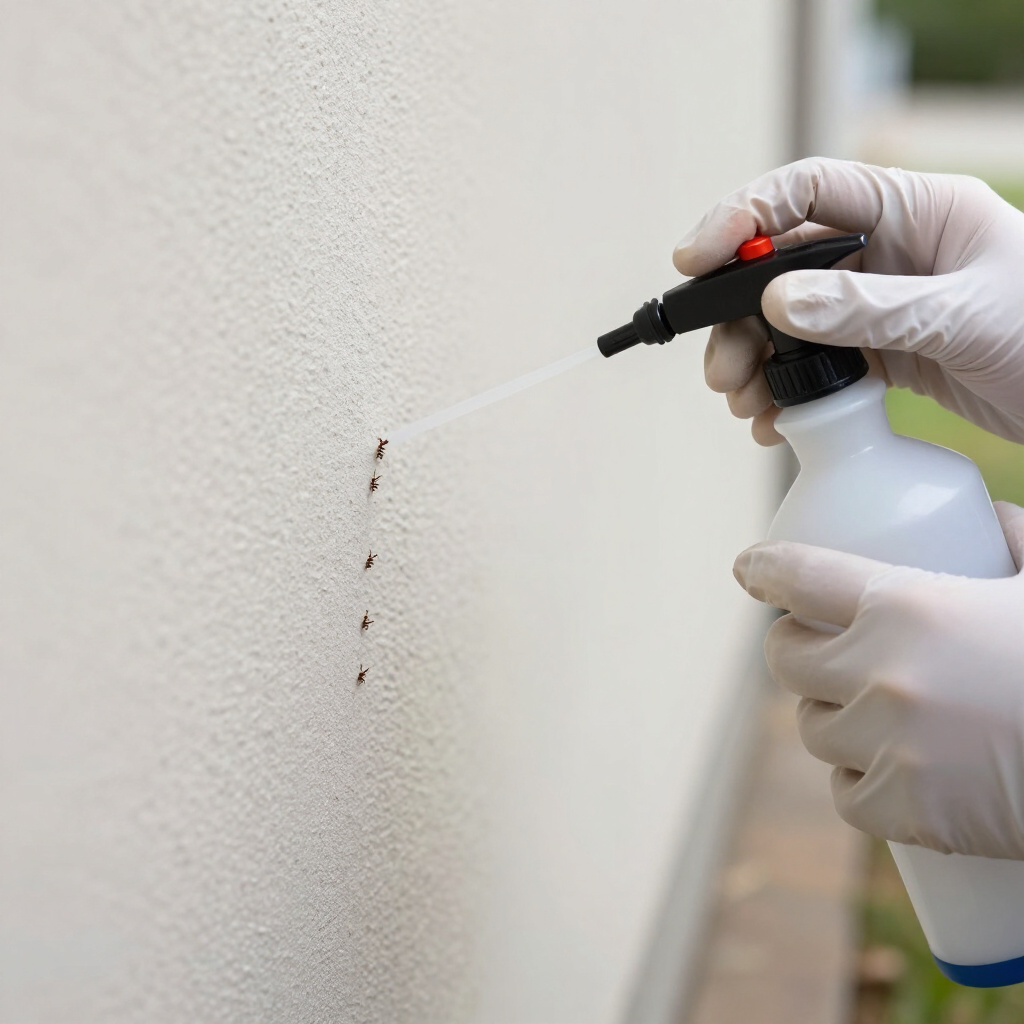
Year-round protection plans adapt to local pest calendars: spring swarms for termites and ants, summer spikes in mosquito and spider activity, fall rodent migration indoors, and winter cluster fly and overwintering pest issues. Each service visit includes perimeter barrier maintenance, harborage reduction recommendations, and targeted treatments based on current activity.
Common Pest Questions for Independence Homeowners
Are termites a serious problem in Independence, Missouri?
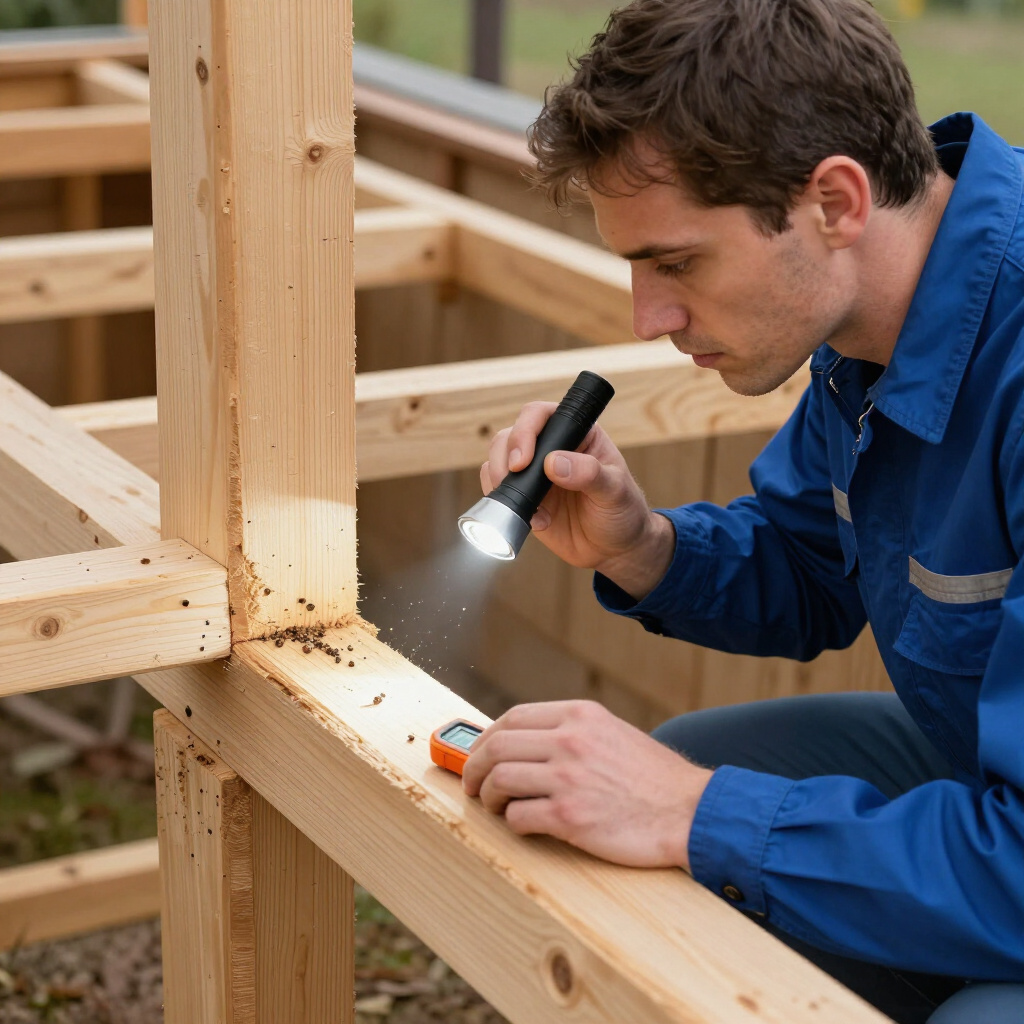
Yes. Eastern subterranean termites thrive throughout Jackson County, and Independence's older housing stock—particularly homes built before 1960 with untreated lumber and limited vapor barriers—faces elevated risk. The Missouri Department of Agriculture identifies this region as having moderate-to-heavy termite pressure. Annual inspections and soil treatment barriers provide essential protection, especially for properties near mature tree stands or with previous moisture damage.
What pests are most active during Independence summers?
Summer brings peak activity for mosquitoes, ticks, spiders, and stinging insects. The combination of humidity, afternoon thunderstorms, and abundant vegetation creates ideal breeding conditions. Mosquitoes flourish in standing water from poor drainage or irrigation overspray. Brown recluse and black widow spiders favor undisturbed storage areas, sheds, and crawl spaces. Paper wasps and yellow jackets build nests in eaves, fence lines, and landscaping. Our summer protocols focus on larval source reduction, harborage modification, and residual barrier applications to high-traffic entry points.
How do seasonal changes in Missouri affect pest behavior around Independence homes?
Missouri's continental climate drives predictable pest patterns. Spring warming triggers termite swarms (typically March through May) and ant colony expansion. Summer heat pushes spiders, millipedes, and occasional invaders like boxelder bugs toward moisture-rich perimeter zones. Autumn cooling triggers rodent migration indoors—mice and rats seek warmth as nighttime temperatures drop below 50°F, commonly entering through foundation gaps, utility penetrations, and garage door seals. Winter dormancy sees cluster flies, Asian lady beetles, and stink bugs aggregating in wall voids and attics. Understanding these cycles allows for proactive, seasonally timed interventions rather than reactive emergency treatments.
Pest Control Considerations for Independence Properties
Independence's development patterns create specific treatment scenarios. Homes in the Englewood and Maywood areas, built on rolling terrain with limited street drainage, often experience basement moisture that attracts springtails, pillbugs, and cellar spiders. The city's ongoing revitalization in the historic square district brings unique challenges for commercial properties balancing pest management with preservation requirements and public foot traffic.
Agricultural and semi-rural properties on Independence's northern and eastern edges interface with crop fields and pastureland, increasing exposure to field mice, voles, and occasional raccoon or opossum conflicts. These locations benefit from integrated strategies combining habitat modification, exclusion work, and population-aware trapping rather than blanket pesticide applications.
HOA-governed communities throughout Independence typically have landscaping and treatment restrictions. We coordinate with property management and board guidelines for exterior application timing, pollinator-sensitive area buffer zones, and notification protocols. This ensures compliance while maintaining effective pest suppression across shared green spaces and individual lots.