


How to Choose a Pest Control Professional in Hannibal
Living along the Mississippi River in Ralls County means dealing with a unique pest landscape that changes with the seasons. Hannibal's humid summers, river valley geography, and historic architecture create specific challenges when selecting a pest control provider who truly understands local conditions.
Start by verifying Missouri Department of Agriculture licensing. Any technician applying restricted-use pesticides in Hannibal must carry proper certification. Ask to see credentials and confirm the company maintains current liability insurance covering Ralls County operations.
Experience with river valley pest patterns matters significantly here. Providers familiar with Hannibal's periodic flooding cycles understand how water events displace rodents, force termites into new territories, and create mosquito breeding conditions in low-lying neighborhoods near Bear Creek and the riverfront. Generalized national chains often miss these localized behavioral shifts.
Request integrated pest management (IPM) approaches rather than blanket chemical applications. Quality professionals serving the Hannibal area will inspect first, identify entry points specific to your property type—whether it's a Victorian-era home in the Historic District or a newer build in the west side—and recommend targeted solutions that minimize environmental impact on the Mississippi watershed.
Finally, check for transparent pricing structures and service guarantees. Reputable companies provide written treatment plans with clear follow-up schedules, particularly important given Missouri's seasonal pest pressures that require ongoing management rather than one-time fixes.
What to Expect from Pest Control Services in Hannibal
Your first service begins with a comprehensive property inspection. Technicians examine interior spaces, foundation perimeters, crawl spaces, attics, and exterior landscaping features. In Hannibal's older neighborhoods, they'll pay special attention to stone foundations, original woodwork, and gaps created by decades of settling—common entry corridors for pests in historic river towns.
Following assessment, you'll receive a customized treatment proposal detailing identified pest pressures, recommended interventions, product specifications, safety protocols for children and pets, and a maintenance timeline. Most residential treatments in Ralls County require 45-90 minutes for initial service.
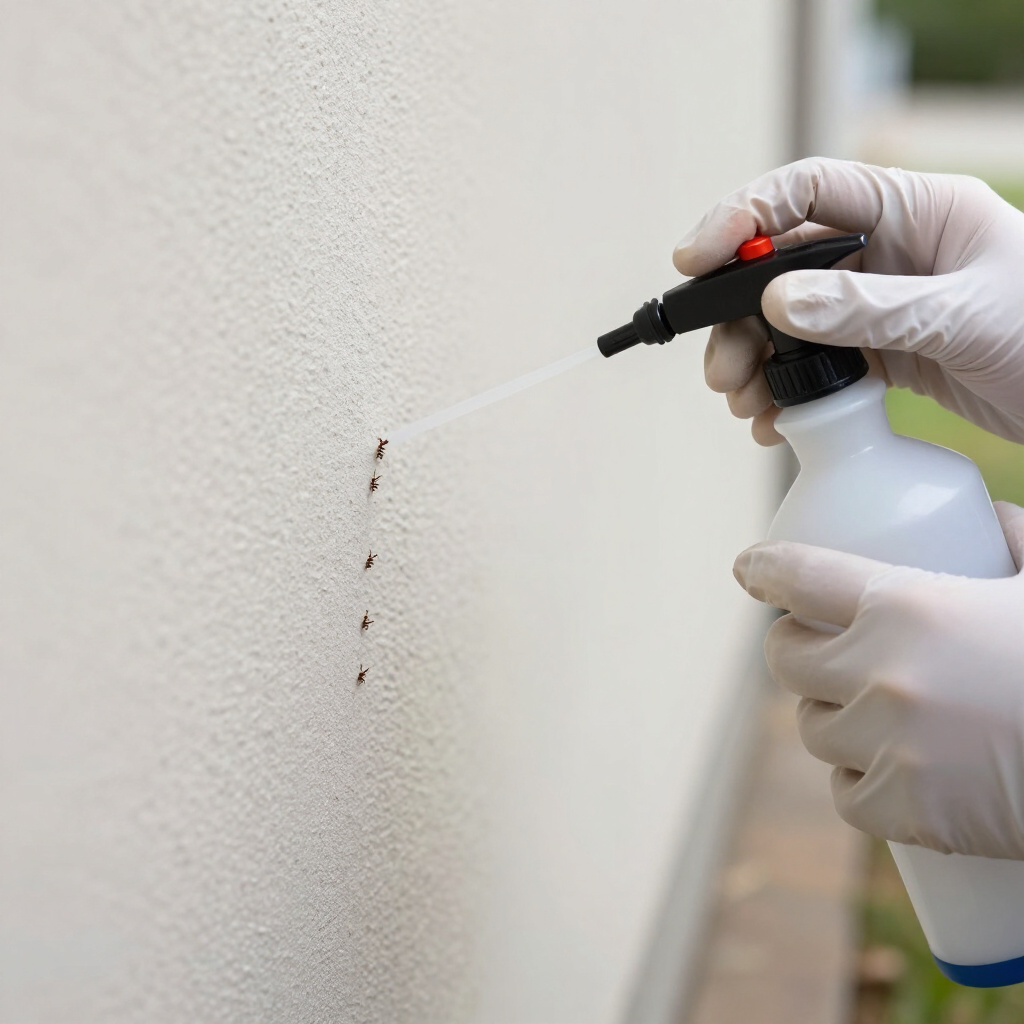
Interior treatments typically target kitchen perimeters, pipe chases, basement sill plates, and attic spaces using baits, dusts, or precision liquid applications. Exterior barriers focus on foundation entry points, window wells, door thresholds, and vegetation contact zones. Granular applications often address perimeter soil where ants, spiders, and occasional invaders cross into structures.
Seasonal follow-ups align with Hannibal's pest calendar: spring emergence for ants and termite swarmers, summer peak for mosquitoes and stinging insects, fall intrusion as rodents and overwintering pests seek shelter, and winter monitoring for persistent indoor populations. Your provider should communicate proactively when regional conditions—like Mississippi River flooding or early cold snaps—accelerate pest activity requiring unscheduled attention.
Available Pest Control Services
Providers serving Hannibal and greater Ralls County typically offer comprehensive solutions addressing the region's most prevalent pest concerns:
- Termite control and prevention — Subterranean termites thrive in Missouri's river valley soils. Services include liquid barrier treatments, baiting systems, and pre-construction pretreatments for new builds.
- Bed bug elimination — Heat remediation and targeted insecticide protocols for residential and hospitality properties, critical given Hannibal's tourism economy and historic inn accommodations.
- Rodent management — Exclusion sealing, trapping programs, and exterior bait stations addressing Norway rats and house mice common to river communities with mixed urban-rural interfaces.
- Mosquito and tick reduction — Larviciding, adult misting applications, and habitat modification recommendations for properties near standing water or wooded margins.
- General pest protection — Ongoing perimeter programs covering ants, spiders, cockroaches, silverfish, centipedes, and seasonal invaders like boxelder bugs and Asian lady beetles.
- Stinging insect removal — Safe extraction of yellow jacket, hornet, and paper wasp nests from eaves, soffits, ground cavities, and landscaping features.
- Wildlife conflict resolution — Humane trapping and exclusion for raccoons, squirrels, skunks, and bats frequenting Hannibal's mature tree canopy and historic building stock.
Frequently Asked Questions
How often should I schedule pest control in Hannibal?
Most Ralls County properties benefit from quarterly perimeter maintenance. Homes near the Mississippi River, Bear Creek, or with mature landscaping may require bi-monthly service during peak seasons. Historic properties with stone foundations or original construction gaps often need more vigilant monitoring.
Are pest control treatments safe for my family and pets?
Licensed Missouri applicators use EPA-registered products applied at labeled rates with established safety margins. Reputable providers will specify re-entry intervals, typically 2-4 hours for liquid applications. Many offer botanical-based or reduced-risk alternatives for sensitive households.
What pests are most problematic in Hannibal specifically?
Subterranean termites, odorous house ants, and mice lead year-round concerns. Seasonally, residents battle mosquitoes from May through September, stinging insects peak in late summer, and fall brings boxelder bugs and rodents seeking winter harbor. River flooding periodically displaces wildlife and drives unexpected infestations.
Do I need pest control in winter?
Yes. While outdoor pest activity diminishes, overwintering pests like cluster flies, lady beetles, and rodents actively seek indoor shelter. Additionally, established indoor populations of cockroaches and stored product pests continue reproducing in heated spaces. Winter inspections often catch developing issues before spring emergence.