


How to Choose a Pest Control Professional in Troy
Finding the right pest control provider in Troy means looking beyond flashy advertising to what actually protects your Lincoln County property. Start with Missouri state licensing and certification—any legitimate operator must hold a 7A Structural Pest Control license through the Missouri Department of Agriculture. Ask to see current credentials and verify they're active.
Local experience matters significantly in Troy's specific environment. Technicians familiar with Lincoln County understand how the Cuivre River watershed affects moisture patterns, where field rodents migrate from surrounding agricultural land, and how seasonal flooding influences termite pressure. Request references from Troy neighbors specifically, not just generic testimonials from "the St. Louis area."
Insurance coverage is non-negotiable. Confirm both general liability and workers' compensation policies are current. Given Troy's mix of historic downtown buildings, newer subdivisions near Highway 47, and rural properties on larger acreage, your provider should demonstrate versatility across property types. Finally, get written treatment plans with explicit guarantees—verbal promises about "solving your ant problem" mean nothing without documented follow-up protocols.
What to Expect from Pest Control Services in Troy
Professional service follows a predictable structure, though timing adjusts for Troy's seasonal patterns. Spring treatments typically address overwintering pests awakening as temperatures rise; fall services focus on exclusion before rodents seek indoor shelter.
Your initial visit should include a thorough inspection of interior and exterior spaces, identification of entry points, moisture sources, and conducive conditions. The technician will document findings—photos, measurements, and specific locations of activity. Expect discussion of treatment options rather than a single prescribed approach, particularly if you have children, pets, or concerns about chemical applications near garden areas or livestock.
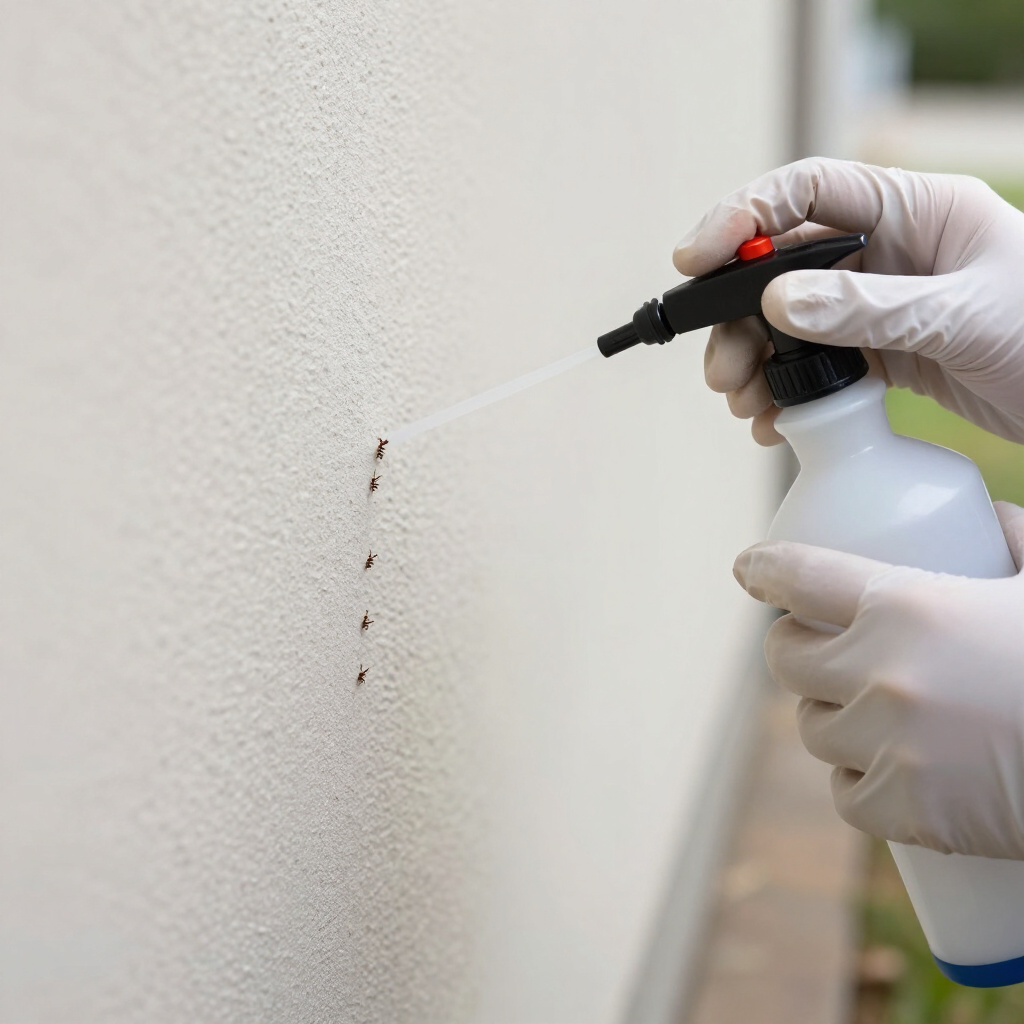
Treatment execution varies by pest type but generally combines targeted application with mechanical exclusion. For Troy's common termite challenges, this may involve perimeter soil treatment or baiting systems. General pest programs typically include quarterly exterior barriers with interior spot treatment as needed. Reputable providers schedule follow-up inspections, particularly after the initial 30-day period when pest activity patterns may shift.
Available Pest Control Services in Troy
Most Troy residents access several core service categories:
- General Pest Programs — Ongoing protection against ants, spiders, cockroaches, and occasional invaders with scheduled quarterly or bi-monthly service
- Termite Control — Inspections, liquid barrier treatments, and monitoring systems essential given Missouri's high termite pressure
- Rodent Management — Exclusion, trapping, and population reduction for mice and rats, particularly critical near agricultural boundaries
- Bed Bug Treatment — Heat remediation or chemical protocols for residential and occasional travel-related infestations
- Mosquito Reduction — Seasonal yard treatments popular for properties near standing water or wooded areas
- Wildlife Control — Humane removal of raccoons, squirrels, and other wildlife, with repairs to prevent re-entry
- One-Time Treatments — Targeted interventions for specific, isolated problems without ongoing commitment
Many Lincoln County providers also offer specialized agricultural pest management for the area's remaining farm operations, though this requires additional licensing.
Frequently Asked Questions About Pest Control in Troy
How often should Troy homes receive pest control service?
Most Lincoln County properties benefit from quarterly exterior maintenance programs. Homes near wooded areas, the Cuivre River floodplain, or active agricultural fields may require bi-monthly service during peak seasons (April–October).
Are termites really a problem in Troy?
Yes. Missouri sits in the moderate-to-heavy termite activity zone. Troy's older housing stock and soil conditions conducive to subterranean termites make annual inspections prudent. Many lenders actually require termite clearance for property sales in Lincoln County.
Can pest control treatments harm my garden or farm animals?
Licensed technicians can select application methods and products appropriate for properties with agricultural elements. Communicate clearly about vegetable gardens, beehives, poultry, or livestock during your initial consultation—treatment plans should accommodate these constraints.
What should I do between scheduled visits if I see pests?
Quality providers include callback service within their regular programs. Contact your technician rather than applying over-the-counter products, which can interfere with professional baiting systems and may scatter populations, complicating targeted treatment.