

How to Choose a Pest Control Professional in Jennings
Finding the right pest control provider in Jennings means looking beyond generic promises and focusing on what matters for St. Louis County properties. The humid continental climate here—hot, muggy summers and cold winters—creates year-round pest pressure that demands local expertise.
Start with licensing verification. Missouri requires pest control operators to hold a certified applicator license through the Missouri Department of Agriculture. Any technician working in Jennings should readily provide their certification number. Ask specifically about experience with St. Louis County building stock: many Jennings homes were built between the 1940s and 1970s, with crawl spaces, older foundations, and mature landscaping that create unique entry points for rodents, termites, and occasional invaders like millipedes and earwigs.
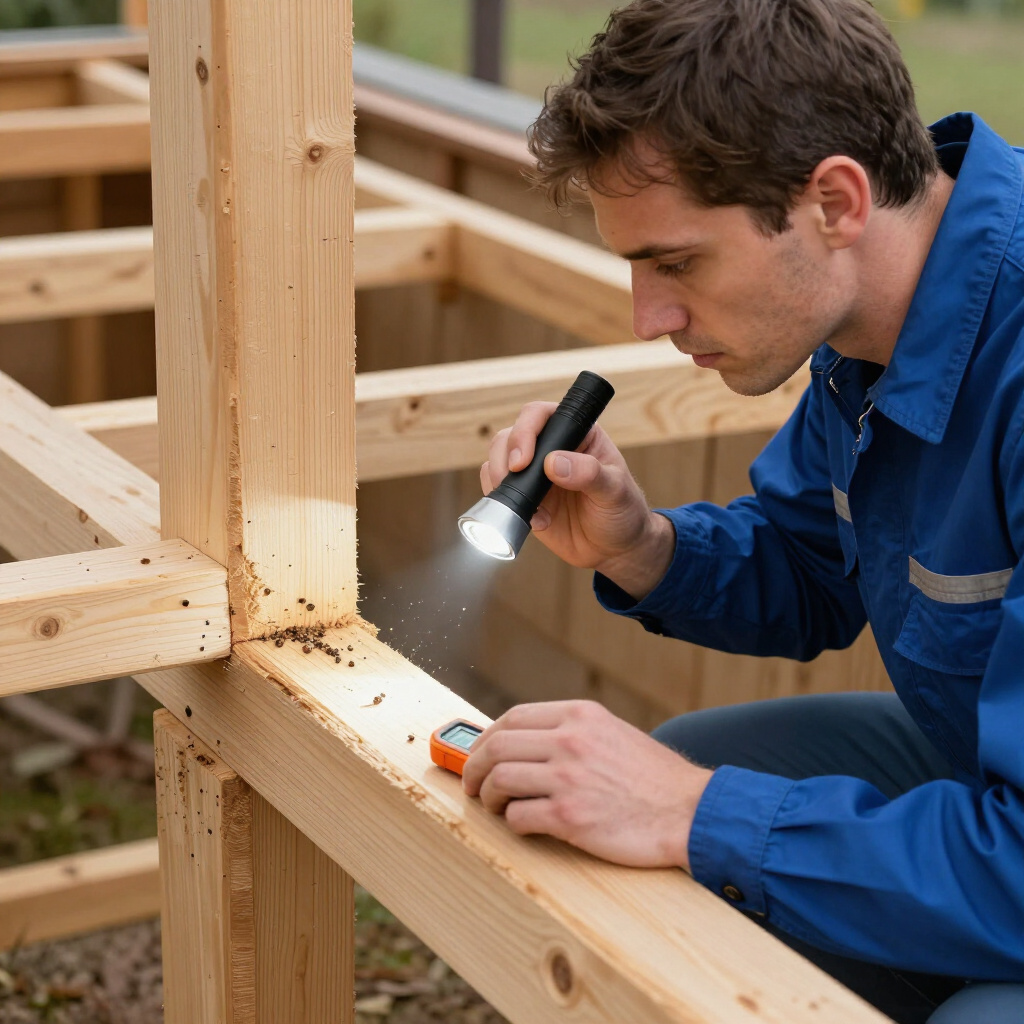
Request a written inspection report before any treatment begins. Quality providers in this area will document moisture readings, wood-destroying organism findings, and structural vulnerabilities particular to your property's age and construction type. Be wary of companies pushing annual contracts without first conducting a thorough assessment—Jennings properties vary significantly, from brick ranch homes near West Florissant to wood-frame houses closer to the Missouri River bottomlands.
Finally, confirm integrated pest management (IPM) capabilities. The proximity to Spanish Lake and the Mississippi River watershed means Jennings faces above-average mosquito pressure and occasional flooding-related pest surges. Providers should offer habitat modification recommendations, not just chemical applications.
What to Expect from Pest Control Services in Jennings
A professional service visit in Jennings typically follows a structured protocol adapted to local conditions. Understanding this process helps homeowners prepare and evaluate service quality.
Initial inspection (45–90 minutes): The technician examines interior and exterior perimeters, paying special attention to basement sill plates, garage door seals, soffit gaps, and utility penetrations. In Jennings, where many neighborhoods feature mature oak and maple canopies, roofline access for squirrels and raccoons receives particular scrutiny. The inspector will note conducive conditions: wood-soil contact, clogged gutters, overhanging branches, and standing water patterns.
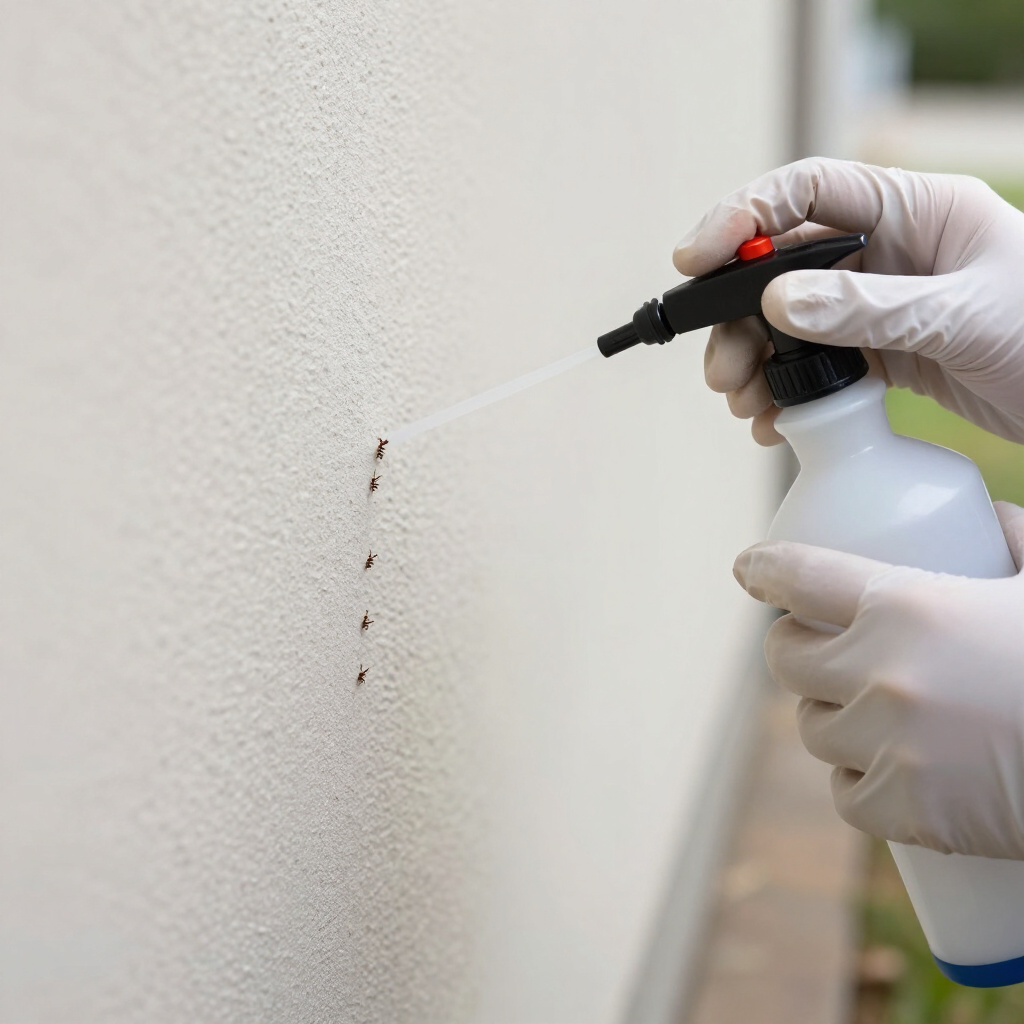
Treatment implementation: Based on findings, the technician deploys targeted interventions. For general household pests—ants, spiders, cockroaches—perimeter barrier applications with focused interior spot treatments are standard. Termite protection typically involves liquid soil treatments or baiting systems, with Missouri's eastern subterranean termite pressure warranting proactive monitoring. Rodent control emphasizes exterior exclusion combined with strategic trapping, given the risk of secondary infestation from adjacent vacant properties common in parts of north St. Louis County.
Follow-up scheduling: Most Jennings providers schedule quarterly maintenance for general pest prevention, with monthly visits during peak summer months for mosquito management or active German cockroach elimination. Winter services often focus on rodent-proofing and interior monitoring as pests seek harborage from cold temperatures.
Available Pest Control Services in Jennings
Jennings residents can access comprehensive pest management across these service categories:
- Residential Pest Control: Quarterly and monthly protection plans targeting the most common invaders in St. Louis County homes—odorous house ants, pavement ants, brown recluse and wolf spiders, American and Oriental cockroaches, and seasonal invaders like boxelder bugs and Asian lady beetles.
- Termite Control & Prevention: Liquid termiticide barriers, above-ground and in-ground baiting systems, and pre-treatment services for new construction or additions. Annual termite inspection certificates available for real estate transactions.
- Rodent Exclusion & Control: Comprehensive mouse and rat programs including entry-point sealing with rodent-resistant materials, interior and exterior trapping, and ongoing monitoring. Attic and crawl space sanitation services for established infestations.
- Mosquito & Tick Management: Seasonal yard treatments from April through October, targeting breeding sites in ornamental ponds, clogged drainage areas, and dense vegetation. Tick suppression along property perimeters and wooded edges.
- Bed Bug Elimination: Heat remediation and conventional insecticide protocols, with canine inspection services available for verification of elimination in multi-unit buildings.
- Wildlife & Nuisance Animal Control: Humane trapping and relocation of squirrels, raccoons, opossums, and skunks, with mandatory exclusion repairs to prevent re-entry. Bat removal services compliant with Missouri Department of Conservation seasonal restrictions.
- Commercial Pest Management: Customized programs for Jennings retail, restaurant, warehouse, and healthcare facilities with documentation for health department compliance and third-party audits.
Frequently Asked Questions About Pest Control in Jennings
What pests are most common in Jennings homes?
Ants (particularly odorous house ants), spiders including brown recluse, mice, and cockroaches top the list. Seasonal surges of boxelder bugs, millipedes, and mosquitoes occur based on weather patterns. Properties near wooded areas or with mature trees see more squirrel and raccoon activity.
How often should Jennings properties receive pest control treatments?
Quarterly service provides adequate prevention for most homes. Monthly treatments are recommended during active infestations or for properties with histories of German cockroach or severe ant problems. Mosquito control requires applications every 21–30 days during peak season.
Are pest control treatments safe for children and pets?
Modern IPM-focused providers use targeted applications that minimize risk. Residents typically need to vacate during treatment and for 2–4 hours afterward depending on products used. Reputable technicians will provide specific re-entry instructions and discuss any household sensitivities before service.
What should I do before a pest control technician arrives?
Clear access to baseboards, under sinks, and basement perimeters. Secure food items and pet bowls. Note recent pest sightings with locations and timing. For rodent services, trim vegetation 12 inches from the foundation and remove debris from around the structure's exterior.