


How to Choose a Pest Control Professional in Crestwood
Finding the right pest control provider in Crestwood means looking beyond flashy advertising to evaluate what actually matters for your home and family. In St. Louis County, where seasonal weather shifts drive pest activity year-round, local expertise makes a measurable difference.
Start with licensing and certification. Missouri requires pest control operators to hold proper licensure through the Department of Agriculture. Any reputable company should readily provide their license number and proof of continuing education. Don't hesitate to ask—legitimate professionals welcome this question.
Next, consider local experience with Crestwood's specific challenges. Homes near Grant's Trail or the older neighborhoods along Sappington Road face different pest pressures than newer developments. Mature tree canopies attract carpenter ants and squirrels. The area's clay-heavy soil and seasonal moisture create ideal conditions for subterranean termites and millipedes. A company that regularly services Crestwood understands these neighborhood patterns.
Ask about integrated pest management (IPM) approaches. The best providers don't default to blanket chemical treatments. They inspect first, identify entry points, recommend environmental modifications, and use targeted applications only when necessary. This matters particularly if you have children, pets, or concerns about nearby watersheds feeding into the River des Peres watershed.
Finally, evaluate transparency in pricing and guarantees. Avoid vague "as-needed" quotes. Quality companies provide written treatment plans with clear follow-up schedules. For ongoing issues like recurring ant trails or seasonal spider activity, ask whether they offer service agreements with free callbacks between scheduled visits.
What to Expect from Pest Control Services in Crestwood
Understanding the typical service process helps you prepare your home and set realistic expectations.
Initial inspection comes first. A thorough technician examines your property's interior and exterior, noting moisture problems, foundation cracks, overhanging vegetation, and signs of active infestation. In Crestwood, this often includes checking crawl spaces and basements—common in mid-century homes—for termite mud tubes or rodent droppings. Expect this to take 45 minutes to an hour for an average single-family home.
After inspection, you'll receive a customized treatment proposal. This should specify target pests, treatment methods, products to be used, preparation steps required, and safety precautions. For termite treatments, Missouri law mandates detailed disclosure of treatment specifications and warranty terms.
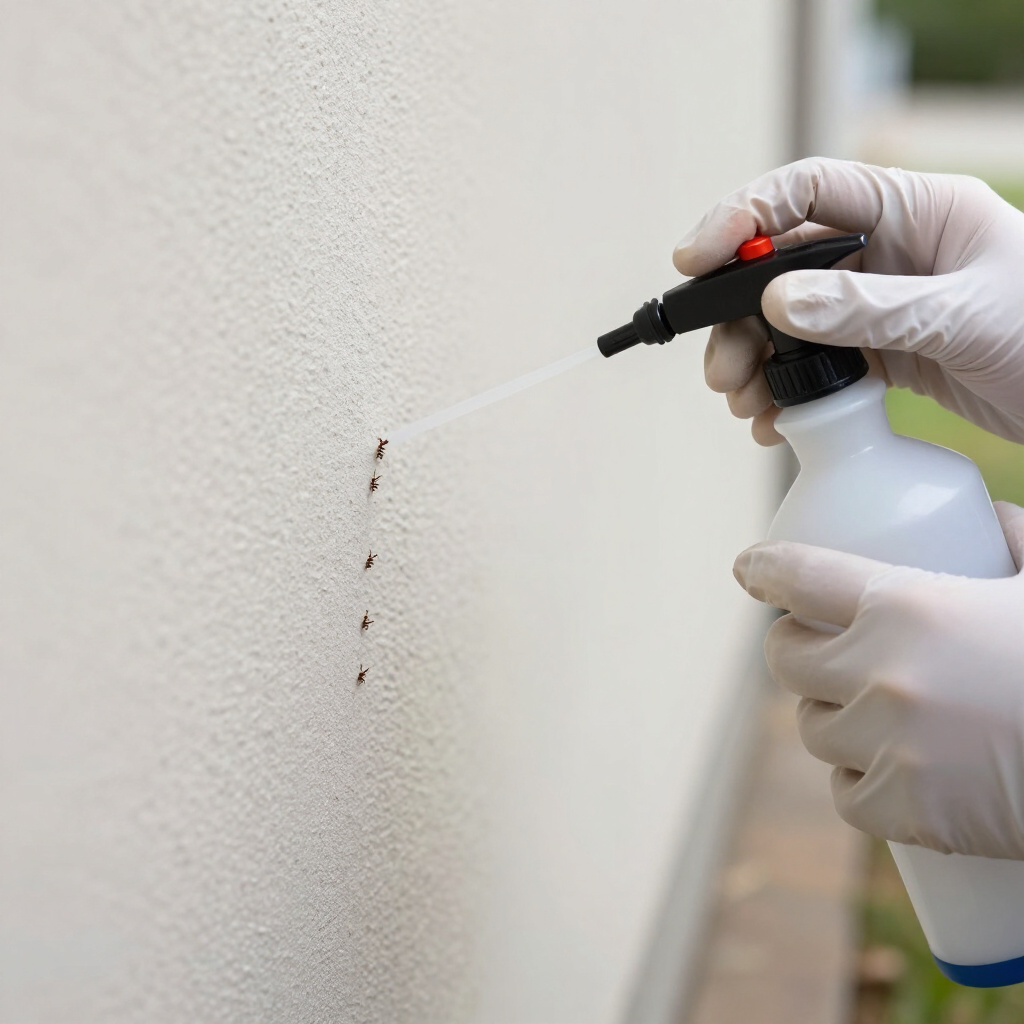
Treatment day varies by pest type. General perimeter sprays target ants, spiders, and occasional invaders. Rodent control requires sealing entry points with steel wool, caulk, or hardware cloth, then strategic trap placement. Termite treatments may involve liquid barrier applications or bait station installation around your foundation. Bed bug services typically demand extensive preparation, including laundering textiles and clearing clutter.
Most companies schedule follow-up visits to assess effectiveness. For seasonal maintenance programs, quarterly exterior treatments prevent pest populations from establishing. After heavy rains or during peak summer humidity—common in St. Louis County—your provider should proactively check whether conditions warrant additional intervention.
Available Pest Control Services in Crestwood
Residential and commercial pest control providers in Crestwood offer solutions tailored to the region's most prevalent problems:
- Termite Control — Subterranean termites threaten homes throughout St. Louis County. Services include inspection, liquid treatments, and monitoring bait systems with renewable damage warranties.
- Ant Management — Odorous house ants, carpenter ants, and pavement ants require different strategies. Professionals identify species before treating to ensure colony elimination rather than temporary repelling.
- Rodent Exclusion — Mice and rats exploit gaps as small as a dime. Comprehensive service combines trapping, entry point sealing, and habitat modification recommendations.
- Mosquito Reduction — Seasonal breeding site elimination and barrier treatments help reclaim yards during peak months, particularly important for properties backing onto wooded areas or drainage channels.
- Spider Control — While most spiders are beneficial, brown recluse and black widow presence justifies professional management, especially in undisturbed storage spaces and basements.
- Stinging Insect Removal — Safe removal of wasp, hornet, and yellow jacket nests from eaves, soffits, and landscaping features.
- Occasional Invader Management — Millipedes, centipedes, earwigs, and boxelder bugs surge during seasonal transitions. Perimeter treatments and moisture control address these predictable influxes.
- Commercial Pest Programs — Restaurants, retail, and office spaces in Crestwood's commercial corridors receive customized plans with documentation for health inspections and audit compliance.
Frequently Asked Questions
How often should Crestwood homes receive pest control treatments?
Most residential properties benefit from quarterly perimeter maintenance. However, homes with mature landscaping, previous termite activity, or chronic moisture issues may need monthly service during peak seasons. Your technician should adjust frequency based on observed pest pressure rather than applying a one-size-fits-all schedule.
Are pest control treatments safe for pets and children?
Modern IPM-focused treatments prioritize low-toxicity products and targeted application methods. Reputable providers use EPA-registered materials applied according to label specifications, with clear instructions about re-entry timing. Always inform your technician about household sensitivities, aquariums, or beekeeping activities so they can modify approaches accordingly.
Why do pests keep returning to my Crestwood home?
Recurring problems usually stem from unresolved entry points, moisture sources, or conducive conditions around the structure. Simply spraying visible pests without addressing why they're attracted—or how they're entering—provides temporary relief at best. Effective long-term control requires the environmental modifications and exclusion work that professional services include alongside chemical treatments.