
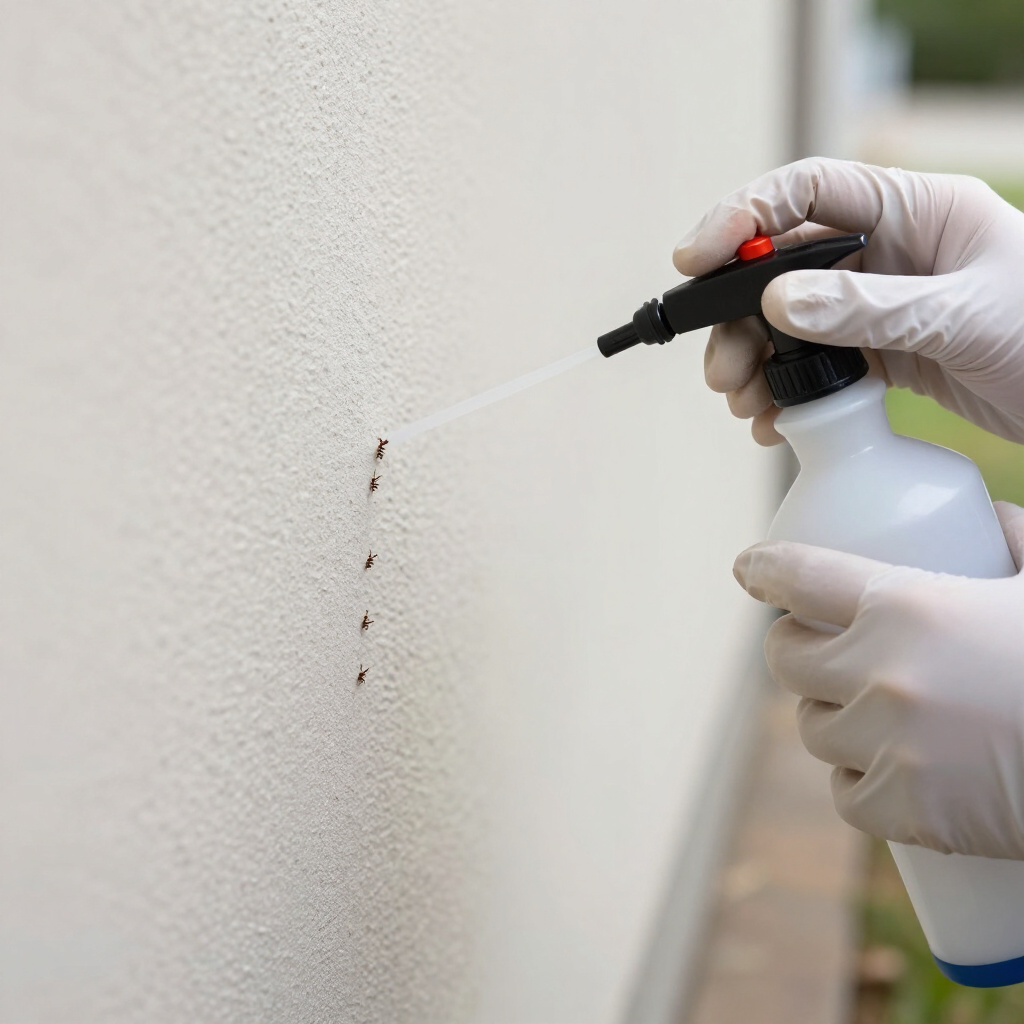

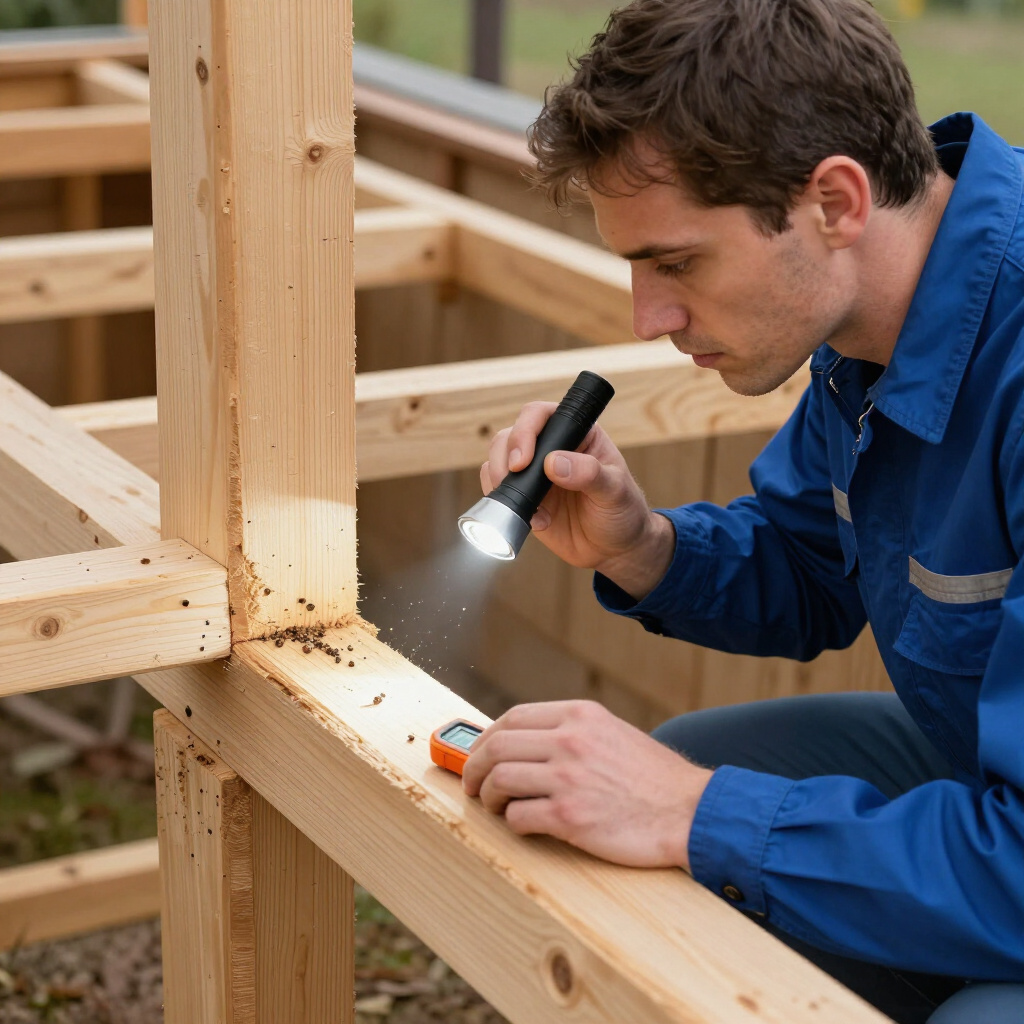
Termites are one of the most destructive pests a homeowner can face, often causing thousands of dollars in damage before they're ever detected. Unlike ants or cockroaches that you might see crawling across your kitchen counter, termites prefer to stay hidden, silently eating away at the structure of your home from the inside out. The key to protecting your biggest investment is catching these wood-destroying insects early. Knowing the warning signs can mean the difference between a simple localized treatment and a full-blown structural repair. Here's what every homeowner should watch for.
Signs You May Have Termites in Your Home
The most frustrating thing about termites is how stealthy they are. By the time you spot obvious damage, they've likely been at work for months or even years. That's why learning to recognize the subtle early indicators is so important.
One of the first things to look for is mud tubes. Subterranean termites—the most common type in the United States—build these pencil-thin tunnels out of soil, wood particles, and saliva to travel between their underground colony and their food source. You'll typically find them along foundation walls, in crawl spaces, on concrete slabs, or anywhere wood meets the ground. Break one open, and you may see creamy-white worker termites inside. If the tube is rebuilt within a day or two, you have active termites.
Swarming is another unmistakable sign. In spring, mature colonies send out winged reproductive termites to start new colonies. These swarmers look like flying ants but have straight antennae, equal-length wings, and a thick waist without the pinched middle that ants have. Finding discarded wings on windowsills, near doors, or in spider webs is strong evidence that a colony is nearby—or already inside your home.
Pay attention to your wood surfaces. Tap on baseboards, window sills, door frames, and hardwood floors with the handle of a screwdriver. Damaged wood sounds hollow and may give way easily. Termites eat wood from the inside out, leaving a thin veneer of paint or wood on the surface that can blister, crack, or sag. You might also notice maze-like patterns inside broken pieces of wood—these are the galleries termites carve out as they feed.
Frass, or termite droppings, is another red flag. Drywood termites push their fecal pellets out of small kick-out holes near the entrances to their tunnels. The frass looks like tiny piles of sawdust or coffee grounds and often accumulates on floors or windowsills below infested areas. Unlike subterranean termites, drywood species don't need soil contact and can establish colonies directly inside dry wood.
Doors and windows that suddenly become difficult to open or close might signal termite damage too. As termites consume wood and introduce moisture into their feeding galleries, the wood can warp and expand. Many homeowners mistakenly attribute this to humidity or normal settling when termites are actually the real culprit behind the misalignment.
Where Termites Hide and How to Inspect Your Property
Understanding termite behavior helps you inspect the right places. Subterranean termites need moisture and soil contact, so focus your attention on the lowest levels of your home. Check crawl spaces, basements, and areas where plumbing penetrates concrete slabs. Any wood that sits directly on soil or concrete—like porch steps, deck posts, or fence posts—is especially vulnerable.
Inside your home, examine areas where water damage has occurred or where humidity tends to collect. Leaky pipes, poor drainage around the foundation, and clogged gutters all create ideal conditions for termites. Look behind appliances, under sinks, and around bathtubs and toilets. Termites are drawn to moisture-damaged wood long before they attack sound, dry lumber.
Your exterior inspection matters just as much. Walk the perimeter of your home and look for mud tubes climbing foundation walls. Check firewood stacks, lumber piles, and wooden mulch beds near the house—these can serve as bridge points for foraging termites. Tree stumps, dead trees, and wooden fences in contact with your home also pose significant risk.
Don't forget your attic. While less common, roof leaks can create moist conditions that attract certain termite species. Inspect rafters, sheathing, and any exposed wood for the same signs you'd look for downstairs: hollow sounds, blistering paint, and frass accumulation.
Key Tips for Protecting Your Home
Prevention and early detection go hand in hand. Start by eliminating wood-to-soil contact around your foundation. Raise firewood at least eighteen inches off the ground and store it well away from your house. Replace wooden mulch with rubber or gravel alternatives in beds adjacent to your home's exterior. Repair leaking faucets, pipes, and air conditioning units promptly, and ensure your gutters direct water several feet away from the foundation.
Schedule annual professional inspections, even if you haven't noticed any warning signs. A trained pest management professional has the tools and experience to detect activity in areas you'd never think to check. They can identify conducive conditions and recommend treatments before damage becomes severe. Termite contracts with regular monitoring and treatment provisions offer valuable peace of mind, particularly in regions with heavy termite pressure.
If you do discover signs you may have termites, resist the urge to handle treatment yourself. Over-the-counter sprays and bait stations rarely eliminate entire colonies and can actually make the problem worse by causing termites to abandon visible areas and spread to new locations within your home. Professional treatments range from localized spot applications to full perimeter soil treatments and baiting systems, depending on the species involved and the extent of infestation.
Document everything you observe. Photograph mud tubes, damaged wood, swarmers, and frass. This evidence helps professionals assess the situation quickly and accurately. It also establishes a baseline for monitoring whether treatment has been successful.
Final Thoughts
Termites cost American homeowners billions of dollars in damage and repairs every year, yet much of this destruction is entirely preventable with vigilance and prompt action. The signs are there if you know what to look for: mud tubes along foundations, discarded swarmer wings, hollow-sounding wood, accumulated frass, and warping doors or windows. Regular inspections, moisture control, and smart landscaping choices create an environment where termites struggle to thrive.
Remember that termites never stop working. A colony feeds around the clock, every day of the year. The longer an infestation goes untreated, the more extensive and expensive the damage becomes. By staying alert to these warning signs and partnering with a qualified pest control professional at the first indication of trouble, you can protect your home's structural integrity and your family's financial security for years to come.