
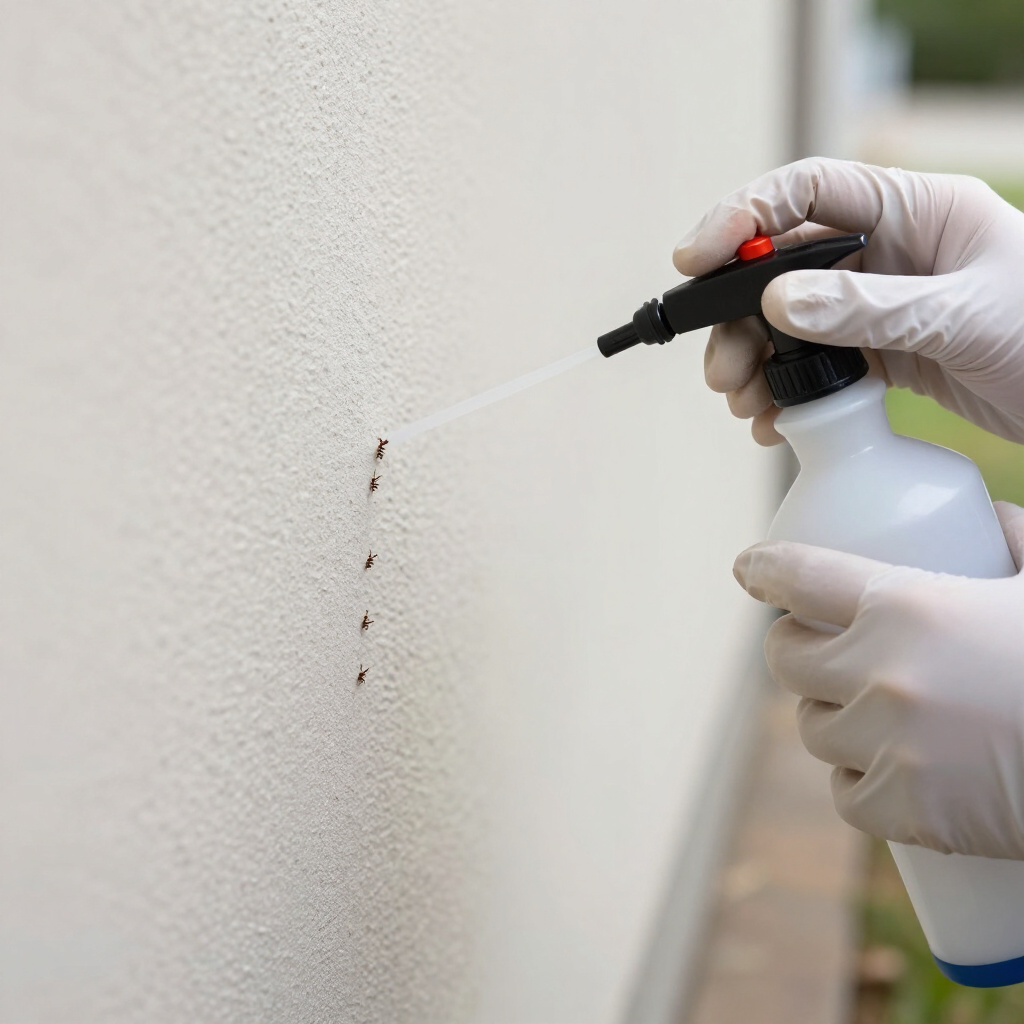


Every season brings its own charm—spring blossoms, summer sunshine, autumn foliage, and winter coziness. Unfortunately, each season also brings its own cast of unwanted visitors. Ants marching through your kitchen in April, mosquitoes turning your July evenings into an itchy ordeal, rodents seeking shelter as October turns cold—pests operate on their own calendar, and smart homeowners need to stay one step ahead. A proactive, season-by-season approach to pest management saves money, reduces stress, and keeps your home truly comfortable year-round. Here's your complete seasonal pest control checklist to protect what matters most.
Spring Pest Control Checklist: Awakening and Entry Points
As temperatures rise, dormant pests emerge hungry and ready to reproduce. Spring is your most critical window for preventive action because colonies are still establishing themselves.
Start with a thorough exterior inspection. Walk your property and examine your home's foundation, siding, and roofline for cracks, gaps, or deteriorated seals. Pay special attention to utility penetrations, dryer vents, and where wires enter your home—mice need only a dime-sized opening, and insects require far less. Seal everything you find with appropriate materials: silicone caulk for small cracks, steel wool combined with caulk for larger rodent entry points, and hardware cloth for vents.
Your spring pest control checklist should include addressing moisture issues that accumulated over winter. Clean gutters thoroughly, ensure downspouts direct water away from your foundation, and fix any leaky outdoor faucets. Termites, carpenter ants, and many other pests are drawn to damp wood and soil. Trim shrubs and tree branches back at least twelve inches from your home's exterior to eliminate natural bridges for crawling insects.
Inside, focus on the kitchen and pantry. Remove everything from cabinets, check for signs of Indian meal moths or weevils in dried goods, and discard anything suspect. Store remaining pantry items in airtight glass or thick plastic containers. Deep-clean behind appliances where crumbs accumulate, and install door sweeps if you notice gaps beneath exterior doors.
Summer Pest Control Checklist: Peak Activity and Outdoor Defense
Summer represents peak pest pressure. Populations that started small in spring have multiplied, and warm weather keeps insects active from dawn until well after dark.
Mosquito management demands weekly attention. Eliminate standing water everywhere—birdbaths, clogged gutters, plant saucers, tarps, and even bottle caps can harbor larvae. For water features you want to keep, consider mosquito dunks containing Bacillus thuringiensis israelensis, a naturally occurring bacterium that targets mosquito larvae without harming other wildlife. Maintain window screens in good repair, and consider running fans on covered porches—mosquitoes are weak fliers and struggle in breeze.
Ant control in summer requires understanding that the ants you see represent a fraction of the colony. Baits work better than sprays because foragers carry poison back to the nest. Place gel baits on ant trails and resist the urge to spray them immediately—that kills visible workers but triggers the colony to produce more and split into multiple nests.
Your summer pest control checklist must also address stinging insects. Inspect eaves, sheds, and play structures weekly for developing wasp or hornet nests. Early morning removal of small nests is manageable for homeowners; established colonies in walls or underground require professional handling. Keep garbage cans sealed and away from entertaining areas, as sweet residues attract yellowjackets especially.
Don't overlook your yard's role in pest management. Keep grass trimmed, remove leaf litter, and stack firewood at least twenty feet from your home and elevated off the ground. These simple habits dramatically reduce harborage for ticks, spiders, rodents, and the predators that follow them.
Fall Pest Control Checklist: The Invasion Window
When nighttime temperatures begin dropping consistently, pests receive nature's signal to find winter shelter. Your warm, food-rich home becomes irresistible.
This is your last chance to seal entry points before persistent cold arrives. Repeat your spring exterior inspection with particular attention to the roof. Squirrels and raccoons exploit loose shingles, damaged soffits, and uncapped chimneys. Install chimney caps with appropriate mesh, repair any roof damage promptly, and consider professional inspection if your home has mature trees nearby.
Fall pest control checklist priorities include rodent prevention. Remove outdoor food sources that attract them closer to your structure: fallen fruit, unsecured garbage, and spilled birdseed. Inside, store human and pet food in chew-proof containers, and avoid leaving pet food out overnight. Set snap traps in basements, attics, and garages as monitoring devices even if you haven't seen activity—catching one mouse early prevents a December infestation.
Stink bugs, boxelder bugs, and Asian lady beetles seek overwintering sites in walls and attics. While generally harmless indoors, their numbers can be alarming. Seal exterior cracks thoroughly, and use a vacuum for any that penetrate living spaces—crushing them releases defensive odors. Professional exterior treatments in late September can significantly reduce pressure from these overwintering invaders.
Winter Pest Control Checklist: Hidden Threats
Winter lulls many homeowners into complacency. Pests seem absent, but they're often simply hidden—nesting in wall voids, breeding in quiet corners, or waiting in protected outdoor harborage.
Use this slower season for deep maintenance. Inspect and clean your attic, checking for droppings, gnawed wires, or nesting material that indicates rodents have found winter quarters. Examine stored holiday decorations before bringing them indoors; cardboard boxes in garages and sheds frequently harbor spiders, silverfish, or rodents. Consider switching to sealed plastic bins for storage.
Your winter pest control checklist should emphasize moisture control, which becomes more challenging when homes are sealed tight. Run bathroom exhaust fans during showers and for twenty minutes after, use dehumidifiers in basements maintaining humidity below fifty percent, and ensure your dryer vents properly to the exterior. Dry environments discourage dust mites, silverfish, and the mold that attracts other pests.
Continue monitoring. Check traps regularly, note any new signs of activity, and address them promptly. Small problems ignored in January become major infestations by March when breeding resumes.
Year-Round Habits That Support Your Seasonal Pest Control Checklist
Consistency between seasonal deep-dives multiplies your effectiveness. Establish these permanent practices:
Maintain a clean, crumb-free kitchen. Even minor lapses in daily cleaning provide survival resources that sustain pest populations. Store ripe fruit in the refrigerator, wipe counters each evening, and run your garbage disposal regularly with citrus peels to maintain freshness.
Practice careful firewood management. Only bring inside what you'll burn immediately, and always inspect wood before it crosses your threshold. Woodpiles harbor carpenter ants, termites, spiders, and rodents eager to relocate.
Schedule annual professional inspections. Even diligent homeowners miss subtle signs trained technicians recognize. A yearly evaluation catches developing issues before they require costly remediation, and provides peace of mind that your preventive efforts are comprehensive.
Document everything. Keep notes each season about what you observe, where, and what remedies you applied. This record reveals patterns over time—perhaps west-facing entry points consistently need resealing, or a particular shrub always harbors aphids that attract ants. Informed adjustments make each year's seasonal pest control checklist more effective than the last.
Final Thoughts
Effective pest management isn't about dramatic interventions or reacting to crises—it's about steady, seasonally-appropriate vigilance. The homeowners who enjoy truly pest-free living are those who treat pest control as an ongoing home maintenance responsibility, not an occasional emergency response. Work through this seasonal pest control checklist each year, adapt it to your specific property and regional pest pressures, and you'll spend less time battling invaders and more time simply enjoying your home in every season.