
When ants march across your kitchen counter or aphids cluster on your tomato plants, reaching for a chemical spray might feel like the fastest fix. But many homeowners are discovering that natural pest control methods can be just as effective—without the harsh fumes, health worries, or harm to beneficial insects. Whether you're protecting your garden, your home, or your family's wellbeing, these proven approaches tackle pest problems at the source and keep them from coming back.
Natural Pest Control Methods That Actually Work in Your Garden
Your garden is an ecosystem, and the smartest natural pest control methods work with that system rather than against it. Start with companion planting—nature's own pest management strategy. Marigolds release compounds that repel nematodes and whiteflies, while basil planted near tomatoes discourages hornworms and flies. Nasturtiums act as trap crops, luring aphids away from your vegetables so you can remove infested plants before the pests spread.
Beneficial insects are your garden's secret weapon. Ladybugs devour up to 50 aphids daily, and lacewing larvae feast on mites, mealybugs, and caterpillar eggs. Attract these allies by planting dill, fennel, yarrow, and cosmos. A shallow dish of water with pebbles gives them a place to drink without drowning. Once established, this living defense system reduces pest pressure year after year.
For immediate infestations, botanical sprays offer targeted relief. Neem oil disrupts the feeding and reproduction of over 200 insect species without harming pollinators when applied in early morning or evening. Insecticidal soap—simply castile soap diluted in water—penetrates soft-bodied pests like spider mites and scale on contact. Always test on a small leaf first and avoid spraying during peak pollinator activity.
Physical barriers complete your garden defense. Floating row covers exclude cabbage moths and carrot rust flies without blocking sunlight or water. Copper tape creates a mild electrical charge that deters slugs and snails. Diatomaceous earth, made from fossilized algae, abrades the exoskeletons of crawling insects—apply it during dry weather and reapply after rain.
Natural Pest Control Methods That Actually Work Indoors
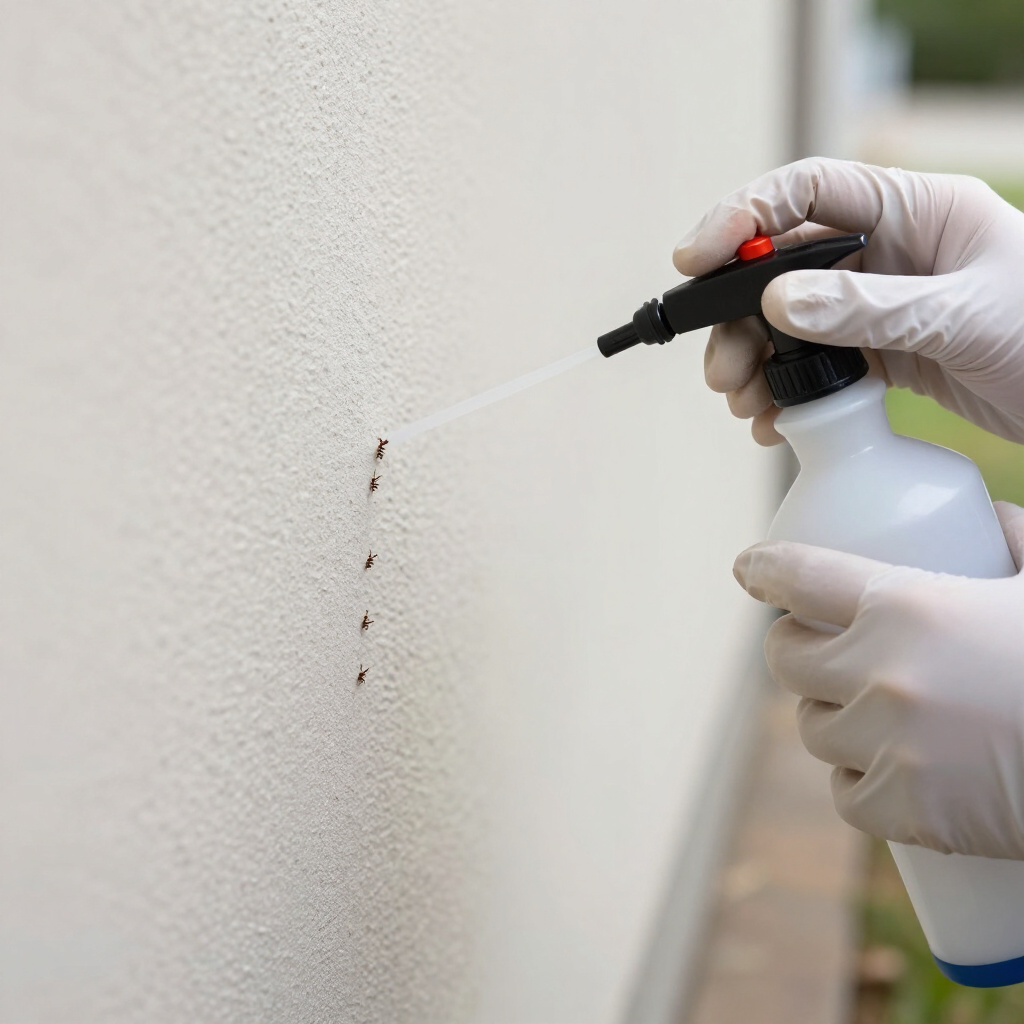
Inside your home, natural pest control methods focus on removing what attracts pests in the first place. Ants, for instance, leave pheromone trails for colony members to follow. Disrupt these trails with a solution of equal parts white vinegar and water, wiping along baseboards, countertops, and entry points. The vinegar erases the chemical signals while its strong scent repels new foragers.
Essential oils offer powerful indoor protection when used strategically. Peppermint oil confuses and repels ants, spiders, and mice—mix 15 drops with water in a spray bottle and apply to door frames, window sills, and known entry points. Cedar blocks or cedar oil in closets and drawers protect woolens from moths without the toxicity of traditional mothballs. Eucalyptus and tea tree oils similarly deter dust mites in bedding when added to wash cycles.
Food-grade diatomaceous earth works indoors against crawling insects including cockroaches, silverfish, and bed bugs. Lightly dust it behind appliances, under sinks, and along baseboards where pests travel. The microscopic sharp edges damage their protective coating, leading to dehydration within days. Keep it dry for effectiveness, and use a duster mask during application to avoid respiratory irritation.
Don't overlook the simplest solutions. Borax mixed with sugar water creates an effective ant bait that workers carry back to the colony, gradually eliminating the source. Sticky traps placed strategically catch fungus gnats from houseplants, pantry moths, and crawling insects without any chemicals. And a basic solution of soap and water in a spray bottle handles most occasional invaders on contact.
Prevention Strategies That Strengthen Your Defenses
The most successful natural pest control methods that actually work start long before you spot a single pest. Exclusion—sealing your home against entry—is foundational. Inspect weatherstripping around doors and windows, caulk gaps around pipes and utility lines, and install fine mesh screens over vents and chimney openings. Even gaps as small as a pencil eraser admit mice and insects.
Moisture control eliminates the conditions pests need to thrive. Repair leaky faucets, improve bathroom ventilation, and use dehumidifiers in damp basements or crawl spaces. Many insects including silverfish, cockroaches, and springtails require high humidity to survive. Proper drainage around your foundation prevents moisture accumulation that attracts termites and carpenter ants.
Sanitation habits break pest lifecycles. Store pantry goods in airtight glass or metal containers rather than cardboard or plastic that rodents can chew. Clean pet food dishes promptly and avoid leaving food out overnight. Regularly empty indoor compost bins and keep outdoor compost well-managed, turning it frequently to maintain temperatures that break down materials quickly without becoming a pest haven.
Landscape maintenance extends your natural pest control perimeter. Trim tree branches and shrubs away from your home's exterior to eliminate bridges for ants, squirrels, and roof rats. Keep firewood stacked 20 feet from your house and elevated off the ground. Maintain a mulch-free zone of 6-12 inches around your foundation to discourage termites and moisture-seeking insects from approaching your structure.
When to Call in Professional Help
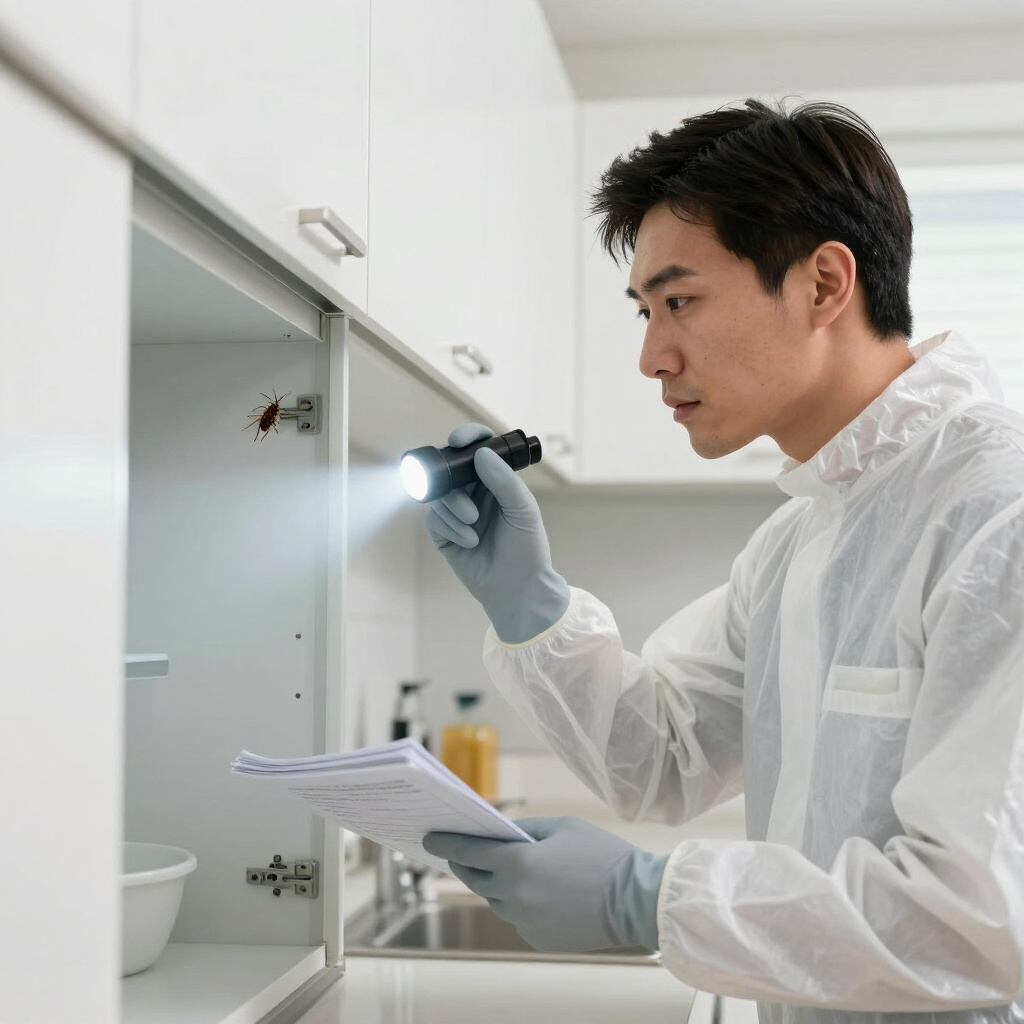
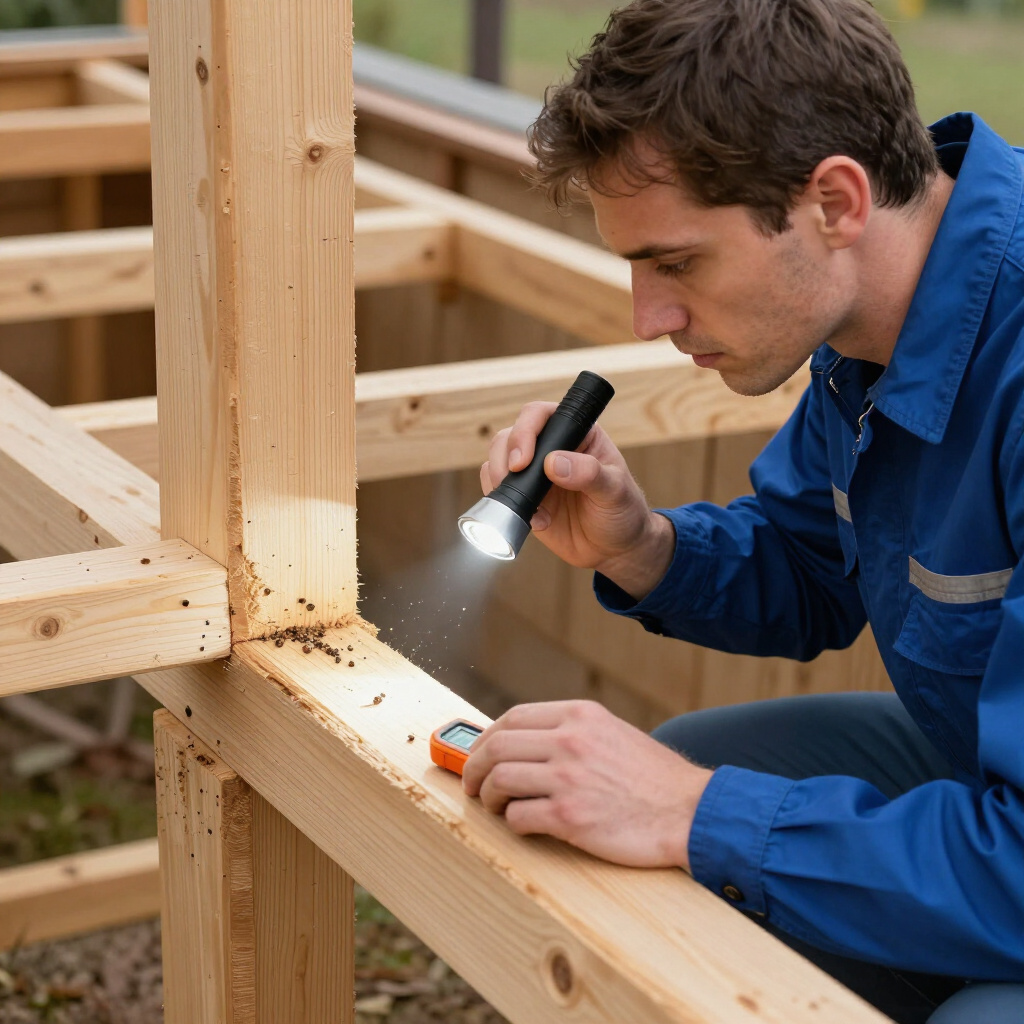
Natural methods handle most routine pest situations beautifully, but certain scenarios warrant professional expertise. Extensive termite activity, large carpenter ant colonies, or signs of rodent infestation in wall voids require specialized knowledge and tools. A qualified pest management professional can assess whether targeted, low-toxicity treatments or structural repairs are needed, then help you maintain your natural approach going forward.
Professionals also bring value when you're unsure what pest you're facing. Correct identification determines whether you're dealing with destructive carpenter ants or relatively harmless moisture ants, aggressive yellowjackets or beneficial paper wasps. This clarity prevents wasted effort on ineffective approaches and ensures you're addressing the real problem.
Final Thoughts
Natural pest control methods that actually work combine patience, persistence, and multiple strategies working together. No single tactic solves every problem, but integrated approaches—companion planting with beneficial insects, exclusion with sanitation, botanical treatments with physical barriers—create resilient protection. The reward extends beyond pest management: gardens buzzing with pollinators, homes free of chemical residues, and the satisfaction of solving problems in harmony with nature. Start with one or two methods that fit your situation, observe the results, and build your natural defense system from there. The ecosystem you cultivate—both indoors and out—will increasingly manage itself.