

There's nothing quite like the sinking feeling of spotting a cockroach scurrying across your kitchen floor or hearing the telltale scratching of mice in your walls. Household pests are more than just unsettling—they can damage your property, contaminate your food, and even pose health risks to your family. The good news? Most infestations are entirely preventable with the right knowledge and consistent habits. Whether you're dealing with an active problem or want to stay ahead of one, this guide will walk you through the most common invaders and practical steps to keep them out.
Most Common Household Pests and How to Prevent Them
Understanding which pests you're most likely to encounter is the first step toward effective prevention. Here are the usual suspects that pest control professionals deal with daily, along with targeted strategies for each.
Cockroaches
These resilient insects thrive in warm, humid environments with easy access to food and water. Kitchens and bathrooms are their preferred territories. Cockroaches can spread bacteria, trigger allergies, and multiply rapidly once established.
Prevention: Eliminate moisture by fixing leaky pipes and using dehumidifiers. Store food in airtight containers, wipe counters nightly, and never leave dirty dishes in the sink. Seal cracks around baseboards, cabinets, and utility entry points with caulk. Take garbage out regularly and use bins with tight-fitting lids.
Ants
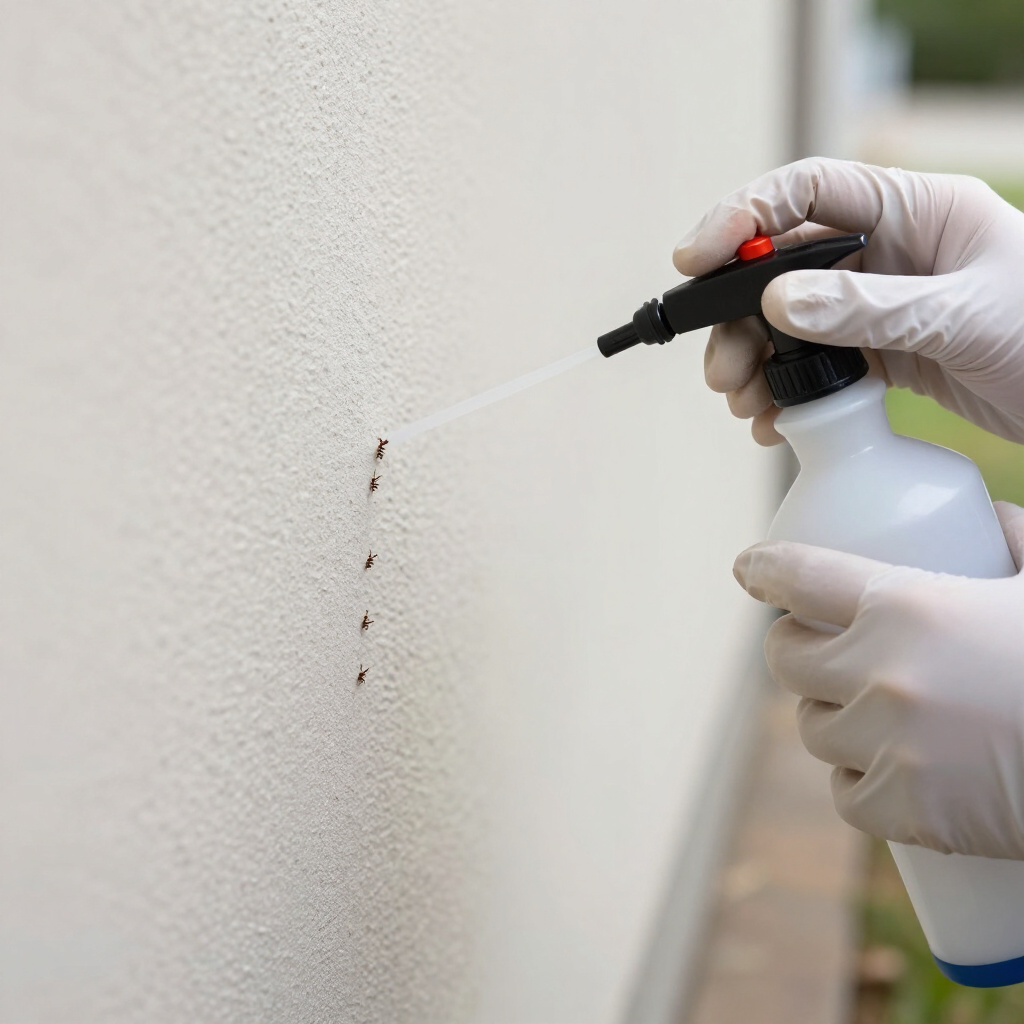
Ants enter homes seeking food and shelter, often arriving in trails once a scout finds something appealing. Different species present different challenges—carpenter ants damage wood, while odorous house ants contaminate food.
Prevention: Clean up crumbs and spills immediately, especially sweets and proteins. Keep pet food dishes elevated and don't leave food out overnight. Trim vegetation away from your home's exterior to eliminate bridges indoors. Locate and seal entry points, which are often along windowsills and door frames. If you spot a trail, wipe it away with soapy water to disrupt pheromone signals.
Mice and Rats
Rodents are destructive, unsanitary, and surprisingly capable squeezing through tiny openings—mice need just a quarter-inch gap. They gnaw on wires, insulation, and structural materials, creating fire hazards and costly damage.
Prevention: Inspect your home's exterior thoroughly. Seal gaps around pipes, vents, and foundation cracks with steel wool and caulk or concrete. Keep firewood, debris, and dense shrubbery away from your foundation. Store pantry items in glass or thick plastic containers rather than cardboard. Set traps in suspected activity areas, and consider professional exclusion services for persistent problems.
Termites
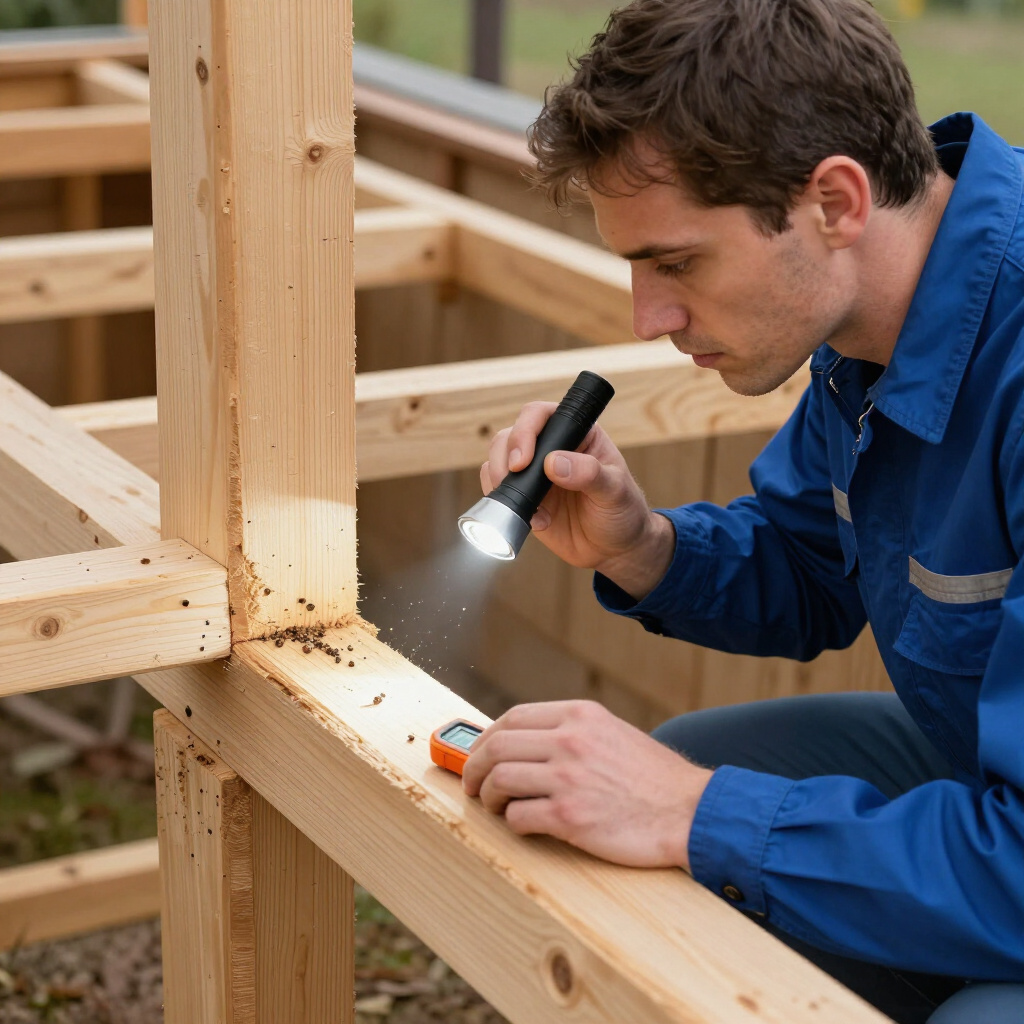
Often called "silent destroyers," termites can compromise your home's structural integrity before you notice any signs. Subterranean termites build mud tubes, while drywood termites leave behind frass—tiny wood-colored pellets.
Prevention: Maintain proper drainage around your foundation to prevent moisture accumulation. Keep wood siding, mulch, and stored lumber at least six inches from soil contact. Repair leaking outdoor faucets and ensure gutters direct water away from your home. Schedule annual professional inspections, as early detection saves thousands in repair costs.
Spiders
While most household spiders are harmless and actually help control other insects, their presence indicates an underlying pest population that serves as their food source. Species like black widows and brown recluses require caution.
Prevention: Reduce clutter in basements, attics, and garages where spiders hide. Remove webs promptly with a vacuum. Control humidity and address other insect populations to eliminate food sources. Seal cracks around windows and install tight-fitting screens. Use yellow-toned outdoor lighting, which attracts fewer flying insects that spiders prey upon.
Bed Bugs
These hitchhiking pests spread through luggage, used furniture, and shared spaces. They're not a sign of poor hygiene—anyone can encounter them. Bed bugs hide in mattress seams, box springs, and cracks near sleeping areas, emerging to feed at night.
Prevention: Inspect hotel rooms before settling in, keeping luggage elevated on racks. Wash and dry travel clothing on high heat immediately upon returning home. Be cautious with secondhand furniture—inspect thoroughly before bringing items inside. Use protective mattress encasements, and vacuum regularly around bed frames and headboard crevices.
Mosquitoes and Flies
Flying pests are among the most annoying invaders, and mosquitoes carry serious health risks. Both breed in standing water and are drawn to organic matter and moisture.
Prevention: Eliminate standing water weekly—check gutters, plant saucers, birdbaths, and kiddie pools. Keep windows and doors screened, and repair any tears promptly. Use fans outdoors, as mosquitoes are weak fliers. Store produce properly, clean drains regularly, and take garbage out frequently to discourage fruit flies and house flies.
Key Tips for Year-Round Pest Defense
Beyond targeting specific pests, certain universal practices strengthen your home's defenses across the board. Consistency matters more than intensity—a few minutes of maintenance regularly prevents hours of frustration later.
Start with the exterior. Your home's outer shell is the primary barrier against invasion. Walk the perimeter seasonally, looking for deteriorated caulking, damaged screens, gaps under doors, and foundation cracks. Address issues immediately rather than adding them to a someday list.
Inside, focus on sanitation and moisture control. Pests need food, water, and shelter to survive—remove these necessities and they cannot thrive. Develop routines: wipe surfaces after cooking, sweep floors, manage pet food properly, and run exhaust fans during showers. Store bulk foods in sealed containers rather than original packaging that pests can chew through.
Landscaping choices influence pest pressure significantly. Keep grass trimmed, eliminate leaf litter near foundations, and position compost bins away from the house. Consider your mulch selections carefully—some materials retain moisture and attract termites more than others.
Finally, know when to call professionals. DIY prevention handles most situations, but established infestations, structural pests like termites, or recurring problems warrant expert intervention. Professional pest control technicians identify hidden vulnerabilities, apply targeted treatments safely, and provide ongoing monitoring that protects your investment long-term.
Final Thoughts
Preventing household pests isn't about achieving perfection—it's about building smart habits that make your home inhospitable to unwanted guests. By understanding what attracts each common pest and taking consistent, targeted action, you protect both your property and your peace of mind. Start with one or two changes this week, then gradually incorporate more protective measures. Most Common Household Pests and How to Prevent Them becomes far less overwhelming when broken into manageable steps, and the comfort of a pest-free home is well worth the effort.