
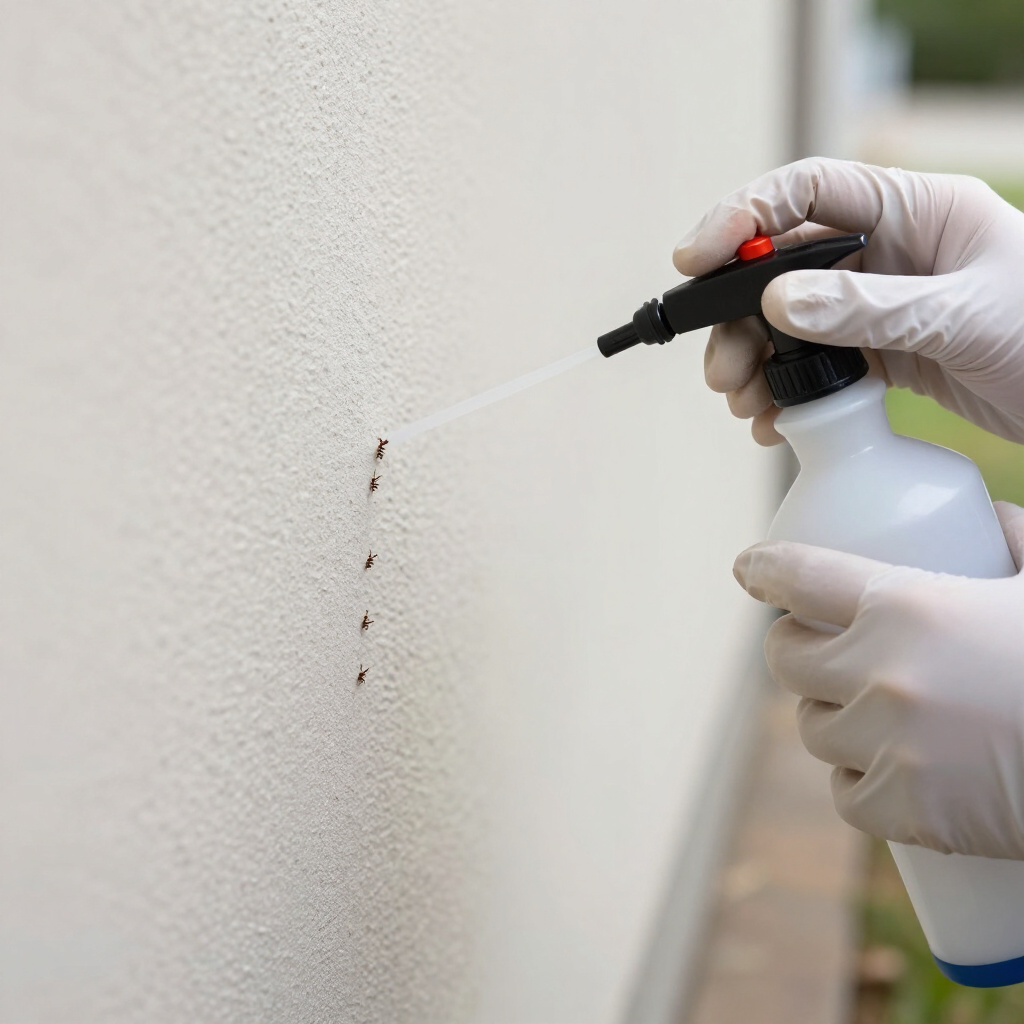


Few things are more frustrating than watching a steady stream of ants march across your kitchen counter like they own the place. One moment your home is peaceful; the next, you've got tiny invaders raiding your sugar bowl, pet food, and anything else they can find. The good news? Ant infestations are largely preventable when you understand what draws them inside and how to make your home far less appealing to these persistent foragers.
How to Prevent Ants From Invading Your Home Starts With Understanding Their Behavior
Ants don't randomly wander into houses—they're on a mission. Worker ants are constantly scouting for food, water, and shelter to bring back to their colony. When a scout finds something promising, it lays down a pheromone trail that acts like a chemical highway, guiding hundreds or thousands of fellow workers straight to the source. This is why you often see ants moving in such organized lines.
Knowing this changes everything about prevention. Your goal isn't just to kill the ants you see; it's to eliminate what attracted them and disrupt those scent trails before the colony establishes a foothold. Prevention works best in spring and early summer when colonies are actively expanding, but consistent habits year-round make the biggest difference.
Most ant species common in residential areas—such as odorous house ants, pavement ants, and carpenter ants—follow predictable patterns. They prefer damp environments, sweet or protein-rich foods, and easy entry points. Understanding these preferences lets you target your prevention efforts where they'll matter most.
Seal Entry Points to Block Ant Access
Ants are remarkably resourceful at finding ways inside. They can squeeze through cracks as thin as a credit card, exploit gaps around utility lines, and climb vegetation to reach upper floors. A thorough perimeter inspection is one of the most effective steps you can take.
Start by walking around your home's exterior and examining the foundation, window frames, door thresholds, and areas where pipes or wires enter. Use silicone caulk to seal cracks and gaps in these locations. Replace worn weatherstripping around doors and windows, and install door sweeps if you notice daylight or feel drafts at the bottom of exterior doors.
Don't overlook your roofline and attic vents. Carpenter ants in particular often enter from above, especially if tree branches touch or overhang your roof. Trim vegetation back at least six to twelve inches from your home's exterior to eliminate these natural bridges. Pay attention to mulch and soil levels too—raised bed materials against your foundation create ideal nesting conditions right next to your walls.
Inside, check baseboards, cabinetry voids, and utility penetrations in kitchens and bathrooms. Foam sealant works well for larger gaps, while steel wool combined with caulk deters ants from chewing through sealed openings.
Eliminate Food and Water Sources Inside
Ants need remarkably little sustenance to sustain a trail into your home. A few crumbs under the toaster, a sticky spot on the counter, or even residue inside an empty soda can be enough to trigger persistent activity. Rigorous cleanliness is your strongest defense.
Store pantry items in airtight containers made of glass, metal, or thick plastic—ants can chew through thin plastic bags and cardboard. This includes pet food, which is a common overlooked attractant. Feed pets at scheduled times rather than leaving food out continuously, and store the bag in a sealed container between uses.
Wipe down counters and sweep floors daily, paying special attention to cooking areas and under appliances where crumbs accumulate. Clean up spills immediately, even water. Many homeowners focus on food while ignoring moisture, but ants need water too. Fix leaking faucets, address condensation issues, and ensure good ventilation in bathrooms and crawl spaces.
Your trash and recycling deserve attention as well. Use bins with tight-fitting lids, rinse recyclable containers before storing them, and take garbage out regularly. Outdoor bins should sit away from your home's exterior walls if possible.
Key Tips for Long-Term Ant Prevention
Beyond the fundamentals, several targeted strategies strengthen your defenses considerably. These approaches address specific scenarios and help maintain protection even as seasons and conditions change.
Consider your landscaping choices carefully. Some plants naturally repel ants due to their strong scents—mint, lavender, rosemary, and sage can help when planted strategically near entry points. However, avoid placing any vegetation directly against your foundation where it traps moisture and provides cover for ant activity.
Manage outdoor attractants with equal diligence. Hummingbird feeders, fruit trees, and compost bins all draw ants. Position feeders away from your home, harvest ripe fruit promptly, and maintain compost properly to discourage scavenging. If you have a grill or outdoor cooking area, clean it thoroughly after each use.
Indoor deterrents can supplement your prevention routine. A diluted vinegar solution (equal parts water and white vinegar) wiped across countertops and entry trails disrupts pheromone pathways without harmful chemicals. Diatomaceous earth sprinkled in dry, hidden areas like under appliances creates a physical barrier that damages ants' exoskeletons. Use food-grade product only, and reapply after cleaning or if it becomes damp.
For properties with recurring ant pressure, perimeter treatments provide an additional layer of protection. Granular baits or liquid barriers applied around the foundation create a treated zone that intercepts foraging workers before they reach your walls. These products work best when applied to dry soil and left undisturbed. If you're uncomfortable handling pesticides or dealing with a persistent species like carpenter ants, professional evaluation ensures proper identification and treatment.
Monitor proactively rather than reactively. Place sticky traps or simple bait stations in previous problem areas to detect early activity. Catching a scout trail in its first days prevents the establishment of a major infestation requiring far more intensive intervention.
Final Thoughts
Preventing ants from invading your home comes down to consistency and attention to detail. These insects are determined, but they're also predictable. Remove what attracts them, block how they enter, and stay vigilant about maintenance, and you'll rarely face the frustration of a full-blown invasion.
The effort you invest in prevention pays dividends beyond just ant control. Many of the same practices—sealing gaps, reducing moisture, improving sanitation—also deter cockroaches, rodents, and other household pests. A well-maintained home simply isn't hospitable to unwanted guests of any kind.
If you do notice ant activity despite your best efforts, act quickly. Clean the visible trail, address any obvious attractant, and trace the entry point if possible. Early intervention often resolves the issue before colony establishment. For ongoing or mysterious activity, professional pest control brings expertise in species identification and targeted treatment that protects your home without unnecessary chemical exposure.