
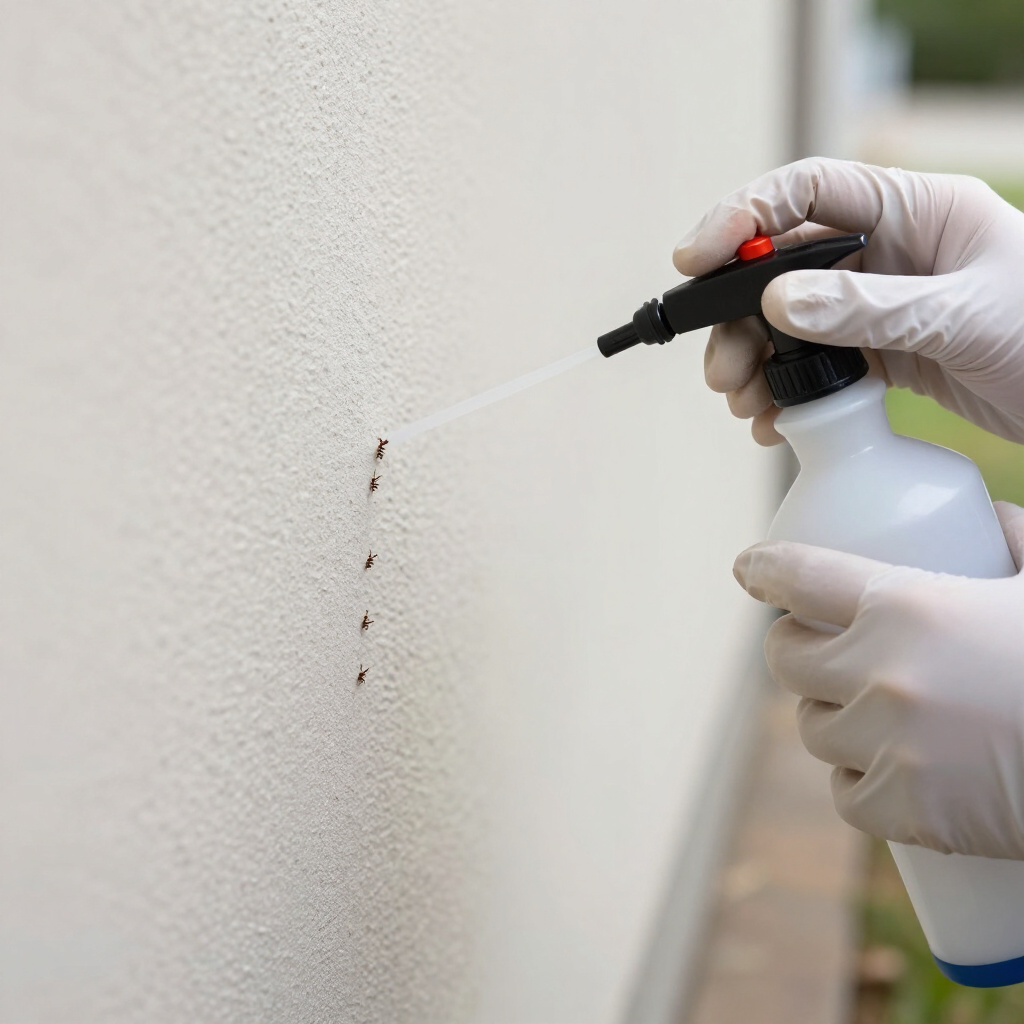

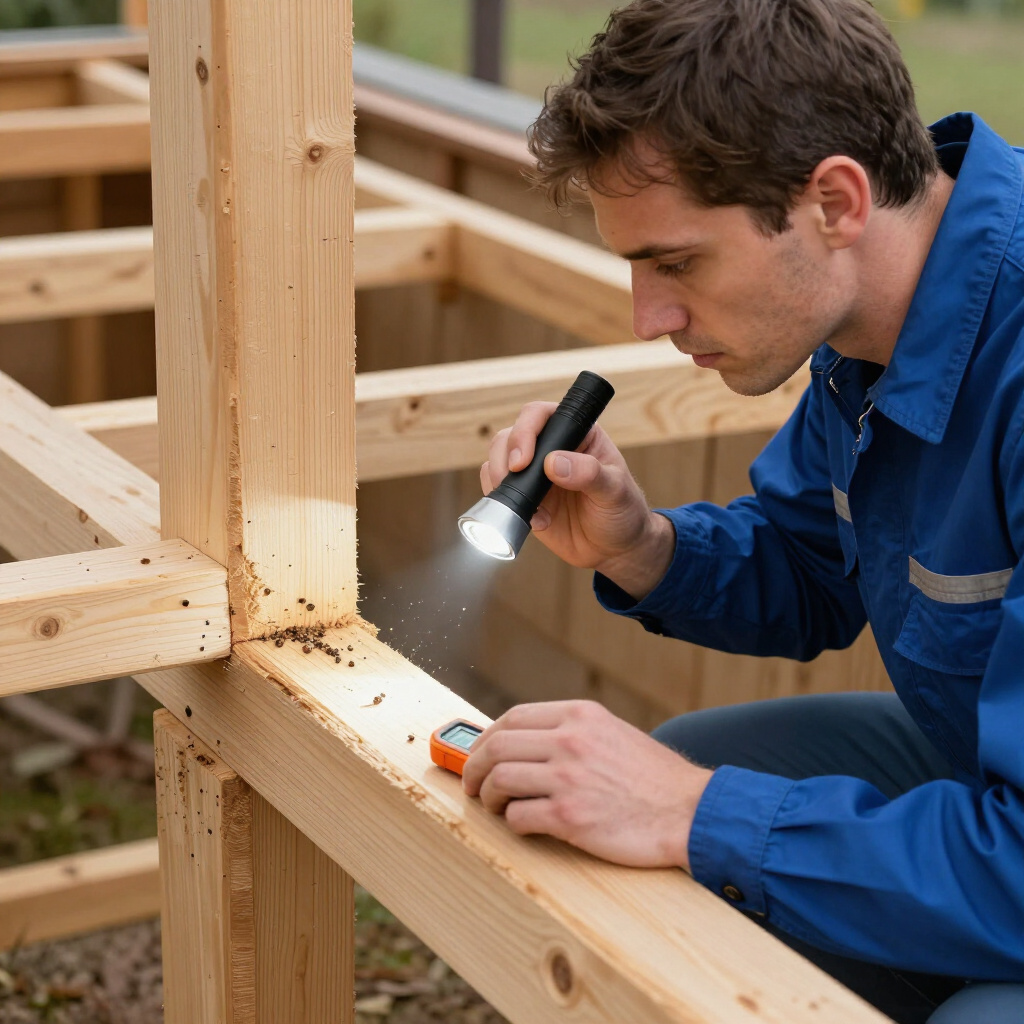
You don't need to share your home with eight-legged roommates. Whether you're dealing with the occasional cellar spider in the basement or finding webs in every corner, keeping spiders out of your house comes down to understanding why they're there in the first place—and making your space far less appealing to them. The good news? Most spider control is preventive, affordable, and doesn't require harsh chemicals.
How to Keep Spiders Out of Your House by Sealing Entry Points
Spiders are master contortionists. They can squeeze through gaps you'd never expect, which means your first and most effective line of defense is a thorough inspection of your home's exterior. Walk around your property with a critical eye, looking for cracks in the foundation, gaps around window frames, spaces under doors, and openings where utility lines enter your home.
Pay special attention to vents and weep holes in brick exteriors—these are spider highways that often go unnoticed. Seal cracks with caulk, install door sweeps on exterior doors, and use fine mesh screens over vents. Weatherstripping around windows and doors not only keeps spiders out but also improves your energy efficiency. Don't forget the garage, either. Spiders frequently enter garages and then hitchhike inside on boxes, firewood, or outdoor items you bring in.
For larger gaps, consider using steel wool or foam sealant. These materials deter spiders and other pests simultaneously. The goal isn't perfection—it's making your home significantly harder to enter than your neighbor's. Spiders are opportunists; when access becomes difficult, they'll move on to easier hunting grounds.
Remove What Attracts Spiders Indoors
Spiders don't enter your home for shelter alone—they follow food. Their diet consists almost entirely of other insects, so an abundance of flies, moths, ants, or mosquitoes inside virtually guarantees spider visitors. Controlling these secondary pests eliminates the buffet that sustains spider populations.
Start with your lighting. Outdoor lights positioned near doors and windows attract flying insects at night, which in turn attract hunting spiders. Switch to yellow or warm LED bulbs, which are less attractive to insects, or position lights away from the house with motion sensors rather than leaving them on continuously. Inside, fix screens with tears, clean up food debris promptly, and manage moisture issues that attract silverfish, earwigs, and other spider prey.
Your landscaping choices matter too. Wood piles, compost bins, and dense shrubbery pressed against your home create ideal spider habitat right at your foundation. Maintain an eighteen-inch vegetation-free zone around your perimeter. Trim tree branches that touch or overhang your roof—spiders use these as bridges directly to your eaves and attic vents. Store firewood at least twenty feet from the house and elevate it off the ground.
Inside, reduce clutter in basements, attics, and storage areas. Cardboard boxes, undisturbed piles of clothing, and crowded shelves provide perfect harborage. Replace cardboard with sealed plastic containers when possible, and disturb quiet corners regularly with cleaning and reorganization.
Key Tips for Ongoing Spider Prevention
Consistency beats intensity when learning how to keep spiders out of your house long-term. Establish these habits and you'll rarely face serious infestations.
Clean strategically and regularly. Vacuum not just floors but baseboards, ceiling corners, window tracks, and behind furniture. Remove webs as soon as you spot them—this forces spiders to expend energy rebuilding and may encourage them to relocate. Use your vacuum's hose attachment to reach high corners where webs accumulate undisturbed. Empty the vacuum outdoors if you've sucked up live spiders or egg sacs.
Manage moisture throughout your home. Spiders and their prey both need water. Run dehumidifiers in damp basements, fix leaky pipes promptly, and ensure bathrooms exhaust properly. Check under sinks and behind appliances where hidden moisture creates microhabitats.
Use natural deterrents wisely. While no scent barrier is foolproof, some homeowners report success with peppermint oil, vinegar solutions, or citrus sprays applied to entry points. These require frequent reapplication—typically weekly—and work best as supplements to physical exclusion, not replacements. Place them near known entry points like door thresholds and window sills.
Inspect items before bringing them inside. Outdoor furniture, camping gear, potted plants, and especially firewood can harbor spiders. A quick visual check and, when appropriate, a shake or brush-off prevents accidental introductions. The same applies to storage boxes brought down from attics or in from garages.
Know when to call professionals. If you're seeing multiple spiders daily, finding egg sacs consistently, or encountering potentially dangerous species like black widows or brown recluses, professional intervention becomes warranted. Pest control technicians can identify species accurately, locate hidden harborages, and apply targeted treatments that DIY methods cannot match.
Final Thoughts
Keeping spiders out of your house is entirely achievable with a methodical, prevention-focused approach. The strategies that work best—sealing entry points, eliminating food sources, reducing harborage, and maintaining vigilant cleaning habits—also improve your home's overall health and comfort. You don't need to eliminate every spider from your property; a few garden spiders outdoors actually help control insects. The goal is keeping them outside where they belong, while you enjoy a web-free living space inside. Start with one or two changes this week, build the habits gradually, and you'll notice the difference before the seasons change.